Capital W-H-Y and huge question mark were people’s reactions when I shared my intention to travel to India by myself. Friends and families questioned my sanity (and bravery) to venture to a place where 1.4 billion people were residing. The idea to travel to India was very much correlated with unimaginable crowdedness, overwhelming smells, questionable food taste and the worst sanitation. They were exacerbated by nowadays media that notoriously displayed street foods sellers who made all the cooking bare handed as if bacteria and viruses are non-existing in India.
Yes, after spending 10 days there, some notions were true.
Yes, they even got worse.
No, it was actually an amazing place.
No, I learned a lot about the rich historical background of this big country.
And yes, it was indeed a trip of a lifetime.
India hooked me for the first time for two things: Taj Mahal and Pink City. They somehow awed me with their beautiful architecture and exotic culture. As time went on, I started to grow fond of Indian food (though what I eat mostly of adopted Indonesian ones) and all of sudden much of its culture and people surrounded us from workplace, business leaders and mainstream media.


It had been several years back when the intention to travel there appeared, while the opportunity to go knocked just in 2022, when I received an email notification saying that my savings in Krisflyer miles were about to expire! That pushed me to redeem tickets before those miles went into waste.
Frankly, India wasn’t my first choice (knowing that it would be a solo trip). I looked for other countries to redeem such as Japan, Turkey, European ones, but none was enough to be covered with my mileage. I literally opened Google Maps and searched for countries closer to Jakarta.
Then, a map of India flashed before my eyes.
Yeah it’s on my bucket list.. but. Would I dare to go there alone?
Spoiler alert: I did.
All those experiences in India sat everywhere along the spectrum line, from the unexpected and over-the-top magnificence. Therefore, putting my takeaways into these three parts, starting from:
The Good
Taj Mahal
It was nothing but beauty and amazement. One could wonder why it is the world’s wonders. Story behind Taj Mahal construction was rooted by unparalleled love and devotion. For a start, it was neither a mosque or an ordinary monument, it was a mausoleum built by the Emperor of Mughal Empire, Shah Jahan, in the memory of his wife Mumtaz Mahal, who died while giving birth to their 14th child.

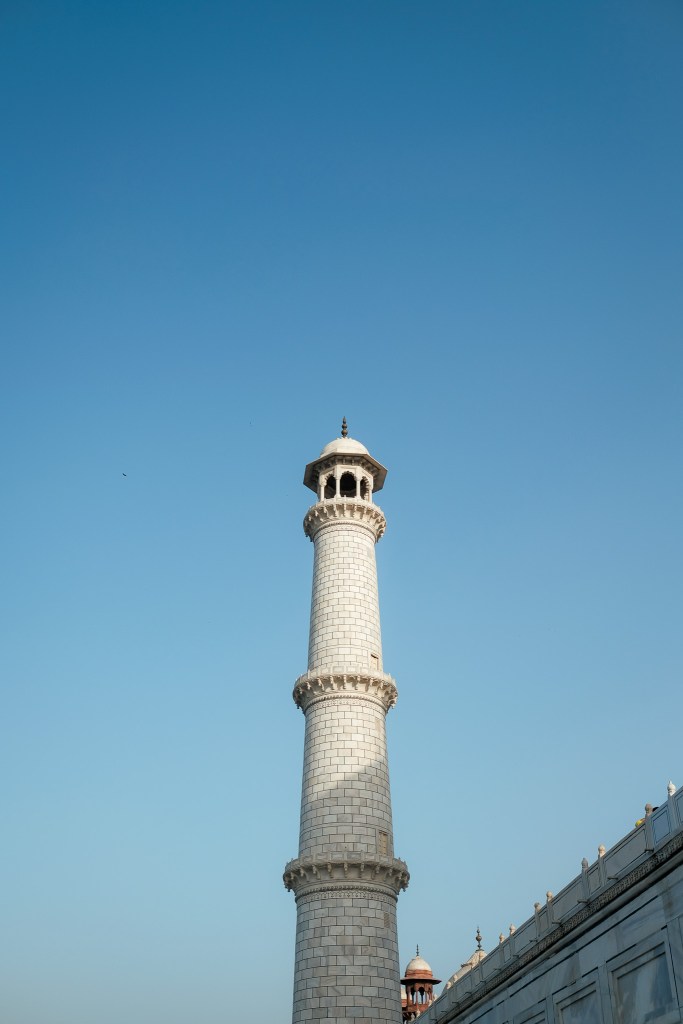


Mumtaz Mahal’s dying wishes to Shah Jahan were three: to never remarry again, to take good care of their fourteen children, and to build a wondrous structure above her tomb for the whole world to see and to be fascinated. Four hundred years later, Shah Jahan’s vow to his dying wife remained truthful.
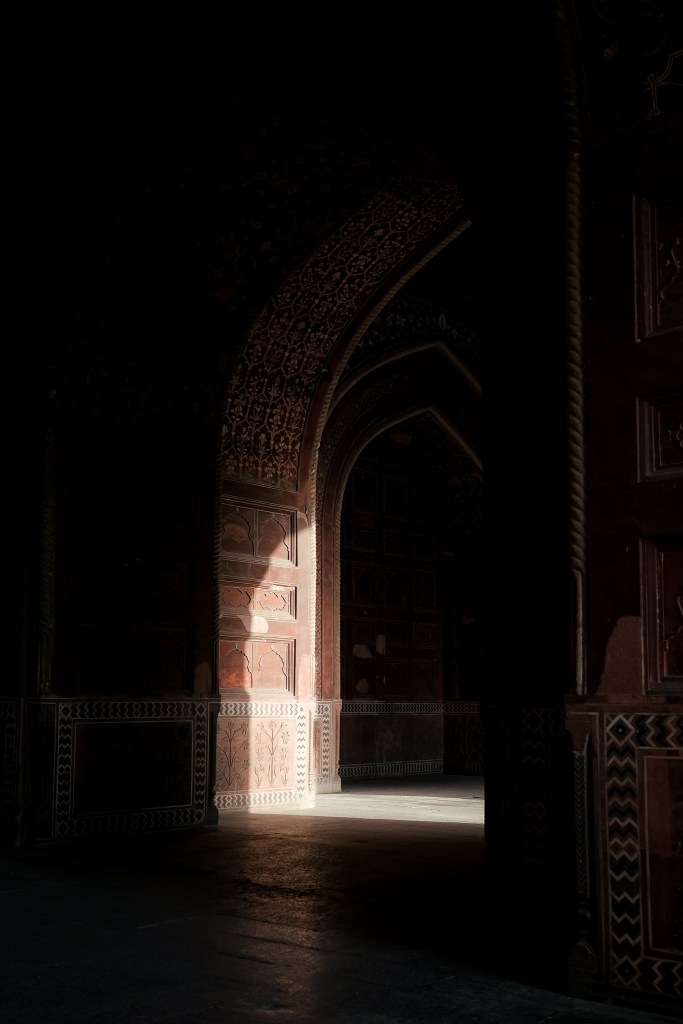
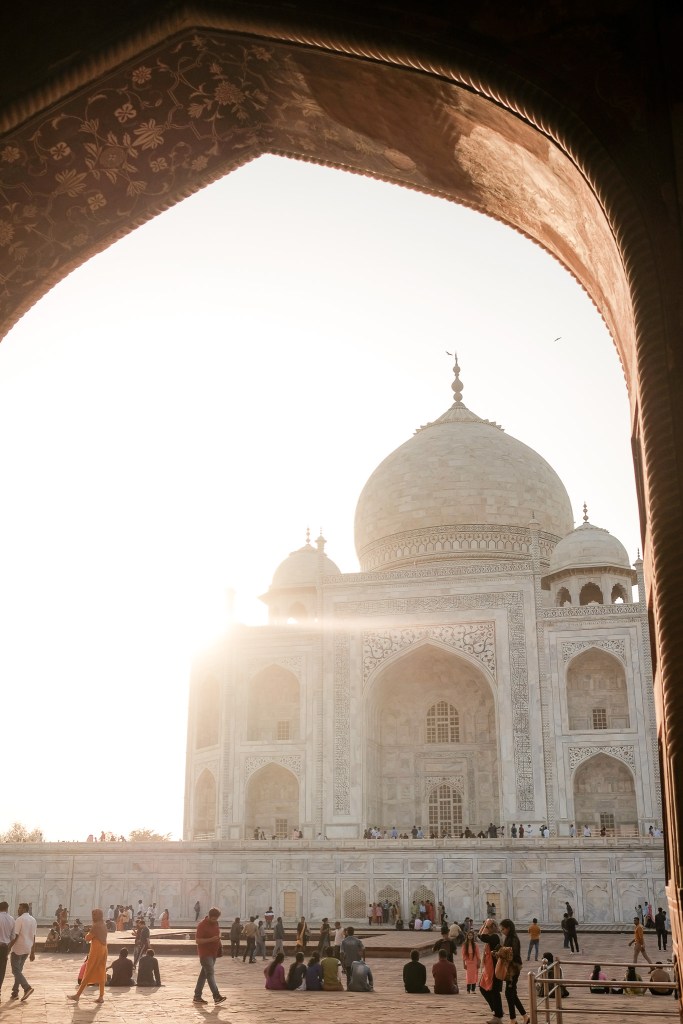
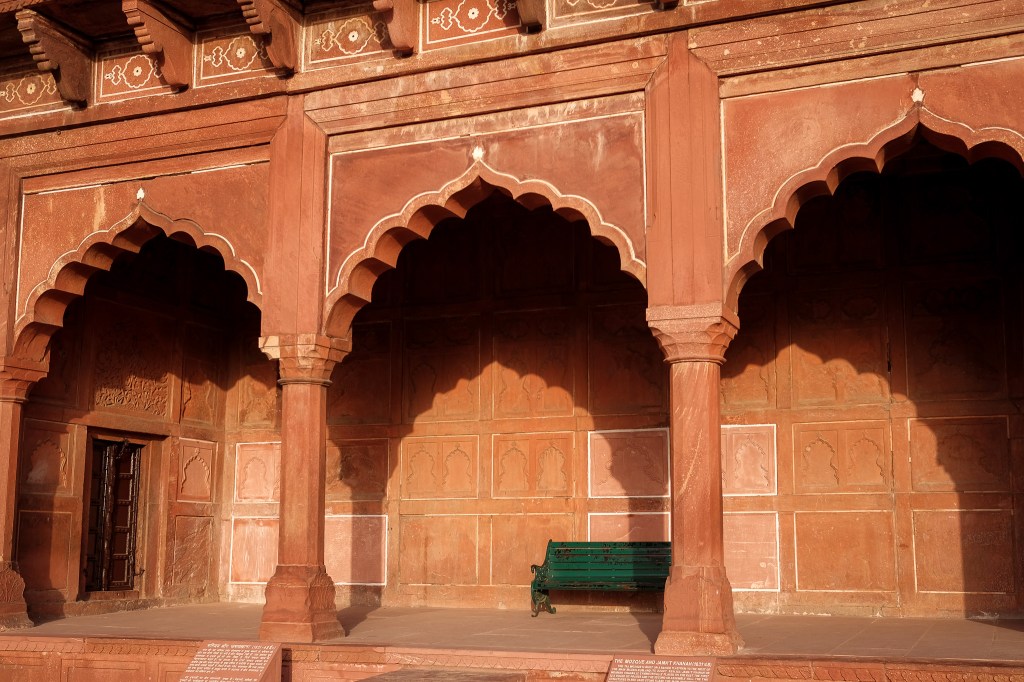
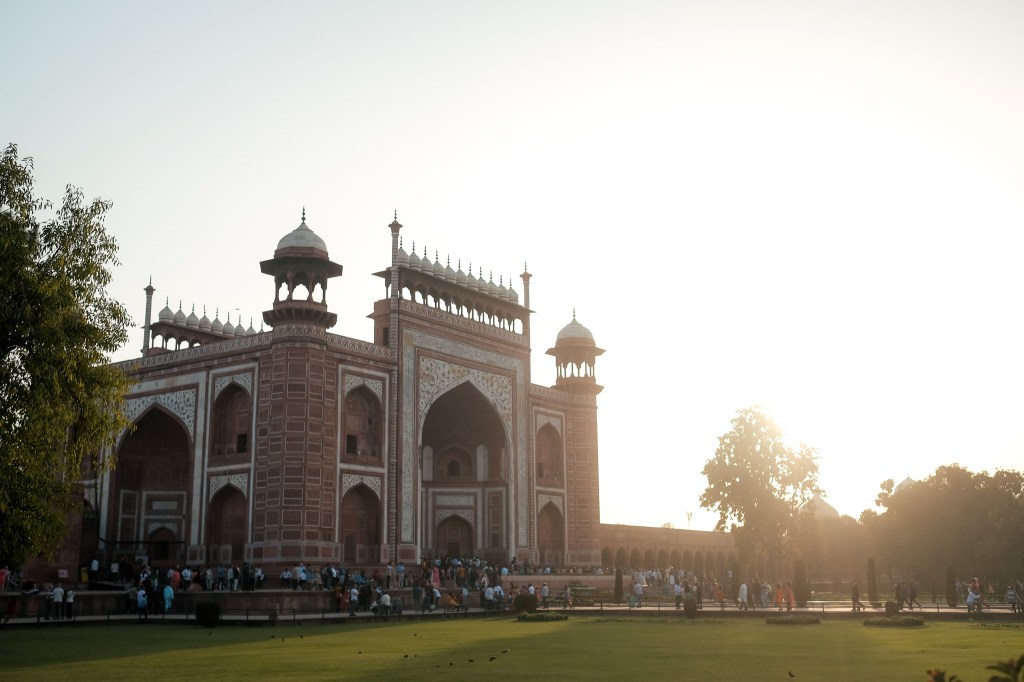
Taj Mahal was regarded as the pinnacle of Muslim architecture in India and the ultimate symbol of love. The whole complex was perfectly symmetrical from the gates, gardens, ponds, and the famous terracotta mosque and guest house. My Tour Guide told me that the reason why they built the guest house was to compensate for the symmetry of a mosque across it. The ivory-white marble of Taj Mahal sat as the centrepiece of the overall complex.

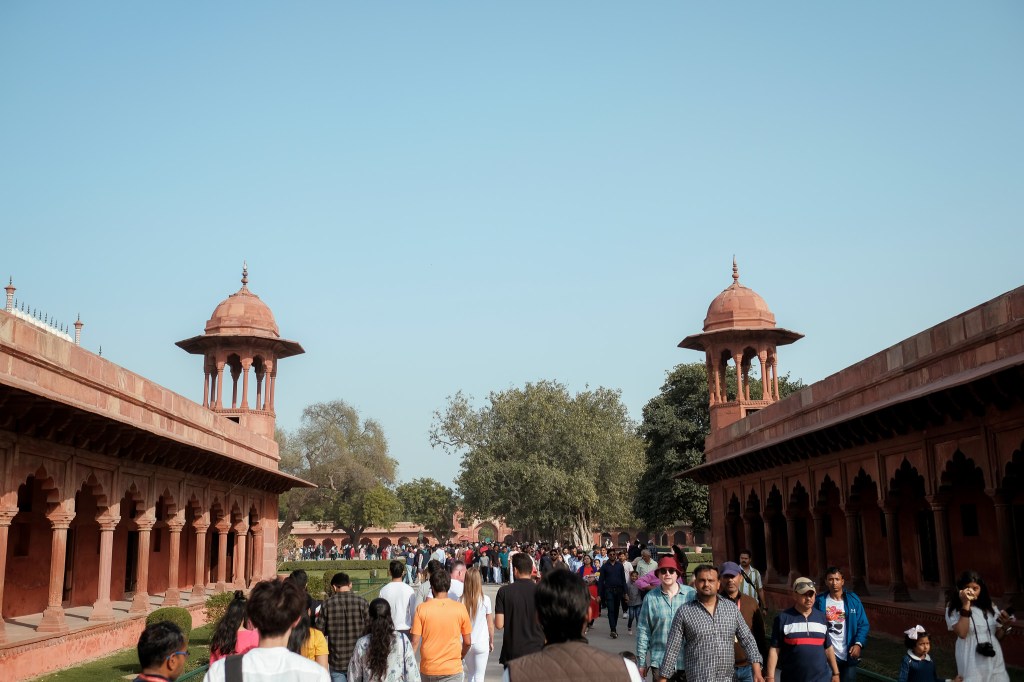
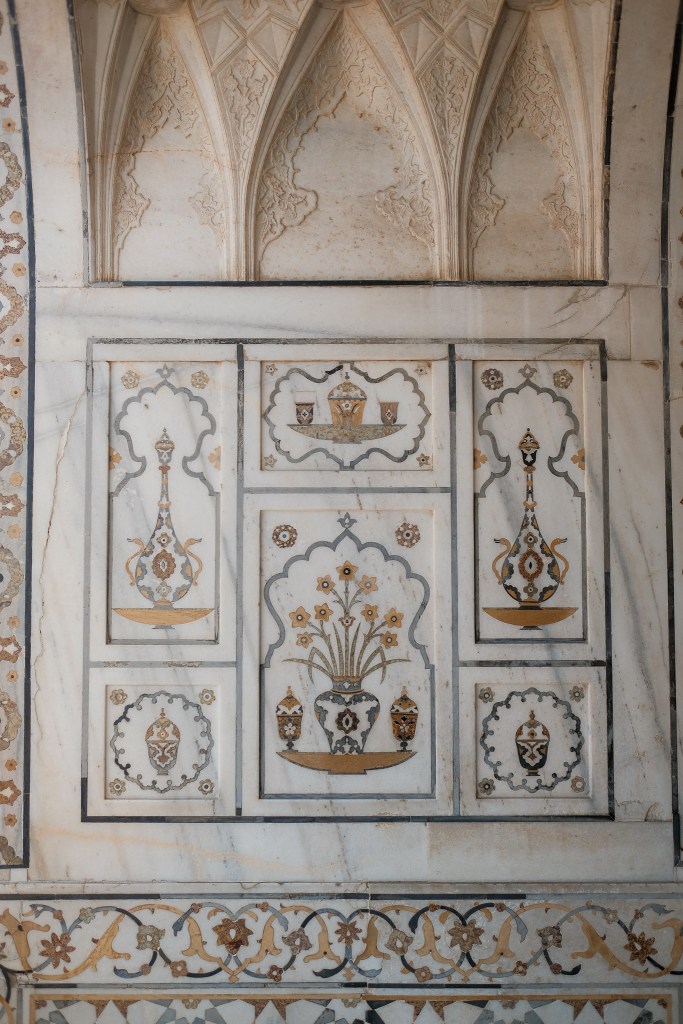

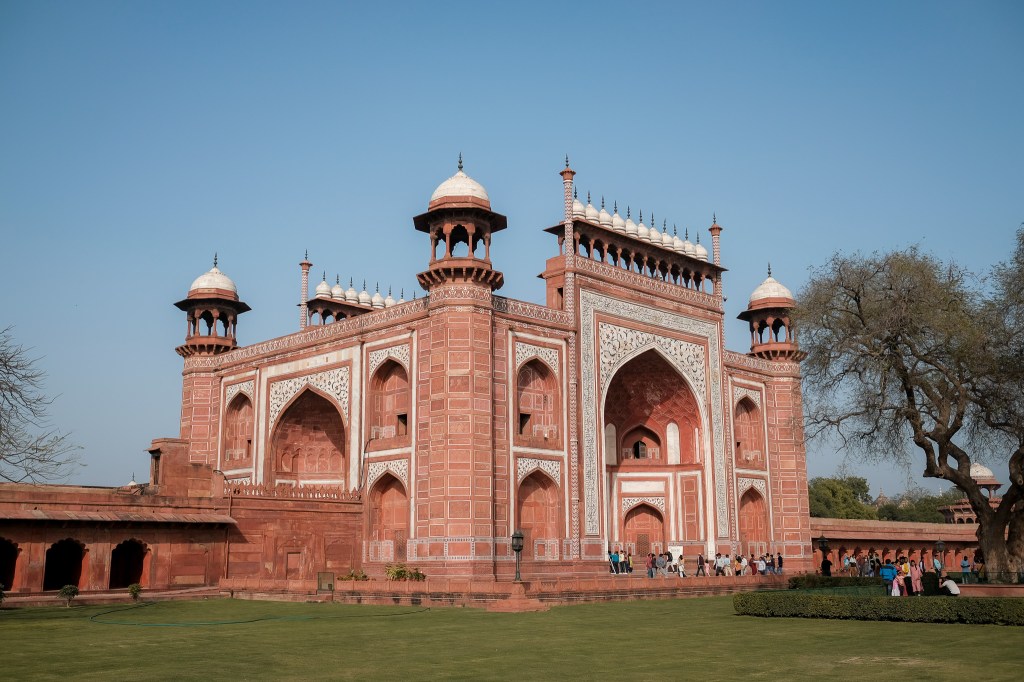
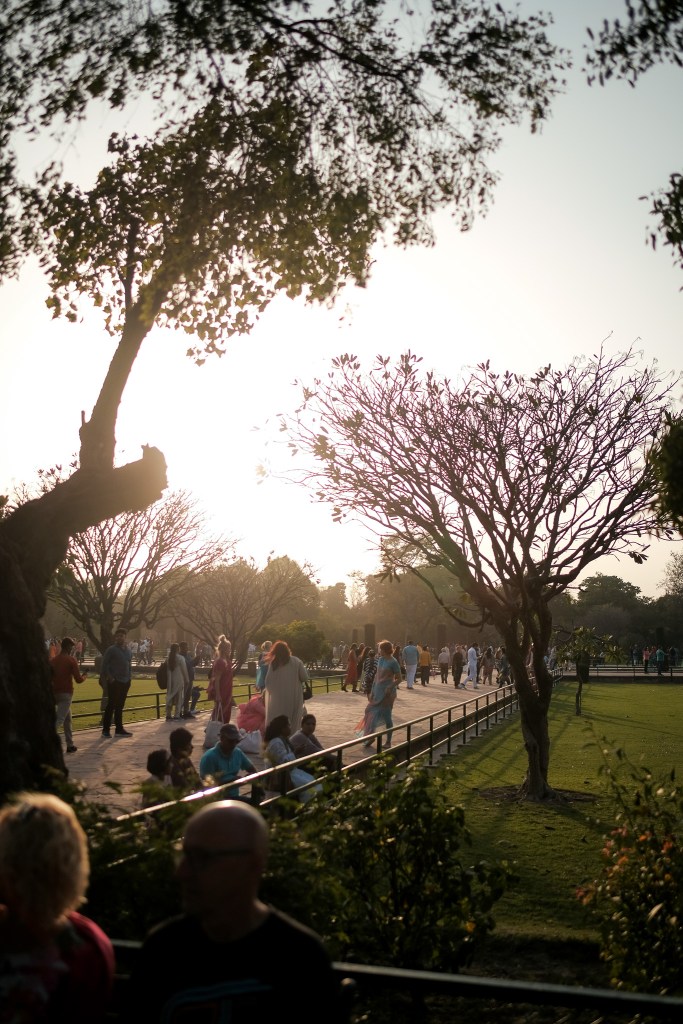


There were only view places in this world where you couldn’t stop looking and admiring them, Taj Mahal was one of them. The best viewing time to visit it would be in the early morning before sunrise or in the golden hour moment of sunset hitting the stunning white dome. I went for the later one.


Jaipur the Pink City
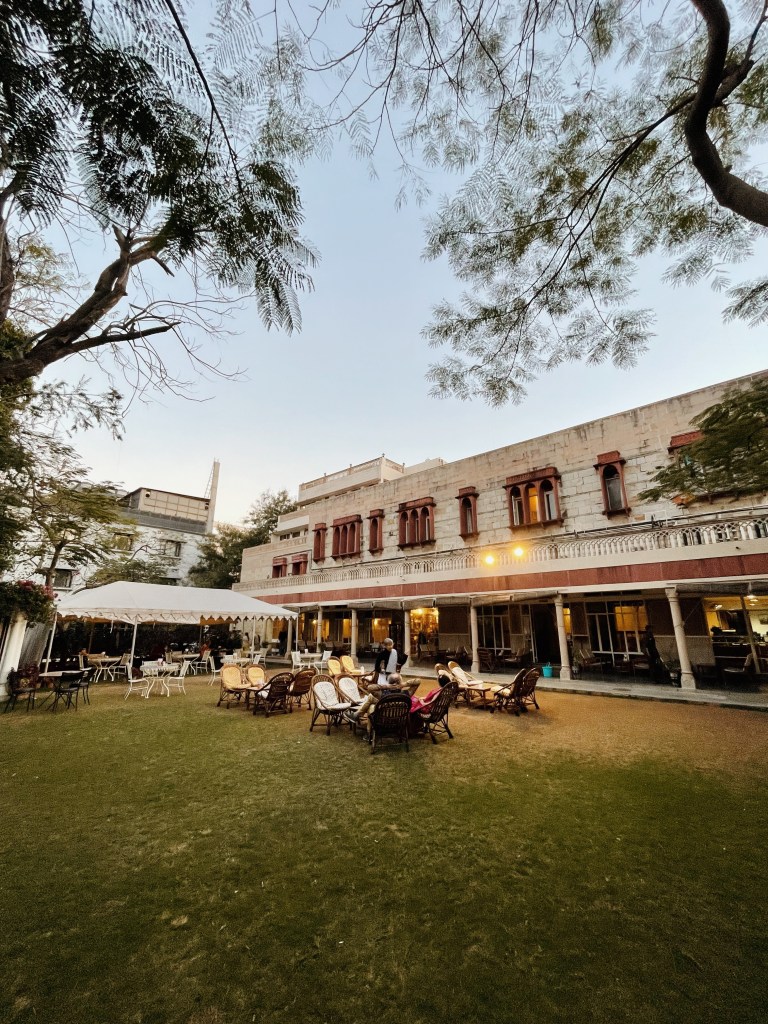
I spent a good two-day in Jaipur dedicating time to explore the city I’d been longing to see. When I arrived at the hotel, Arya Niwas, I was awed for it was such a steal! It was pretty much the budget version of Best Exotic Marigold Hotel (if you haven’t seen the movie, go for one!). It was an old yet well-maintained building from British colonisation where antique utilities and decoration were well-preserved and still of good function. It was as if you stayed in a hotel back from a hundred years ago. I ended up enjoying my nights in the hotel as opposed to exploring the city at night time – though it was advised not to do so especially for lone foreigner tourist.

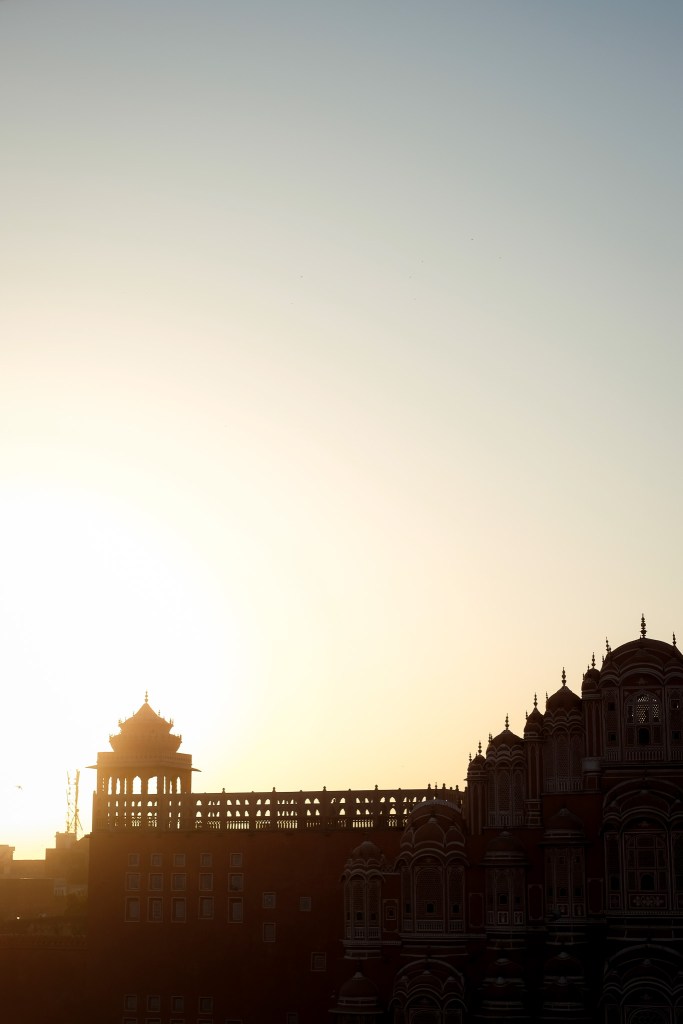
One day trip around Jaipur took me to the old beauty. Starting early in the morning to see Hawa Mahal with morning sun rays hitting the pink façade. The literal translation of this place was Palace of Winds, due to its structure of many windows that created a windy breeze. It was, by all means, just a two dimensional façade that’s attached to the old city palace. Queen and other women of the palace used to peek behind those windows to see the situation of the bazaar, or market, down below. The tradition back then was for women to not show their faces for the general public to see.
Hawa Mahal stood elegantly amid busy streets and buzzing honks of tuktuk.


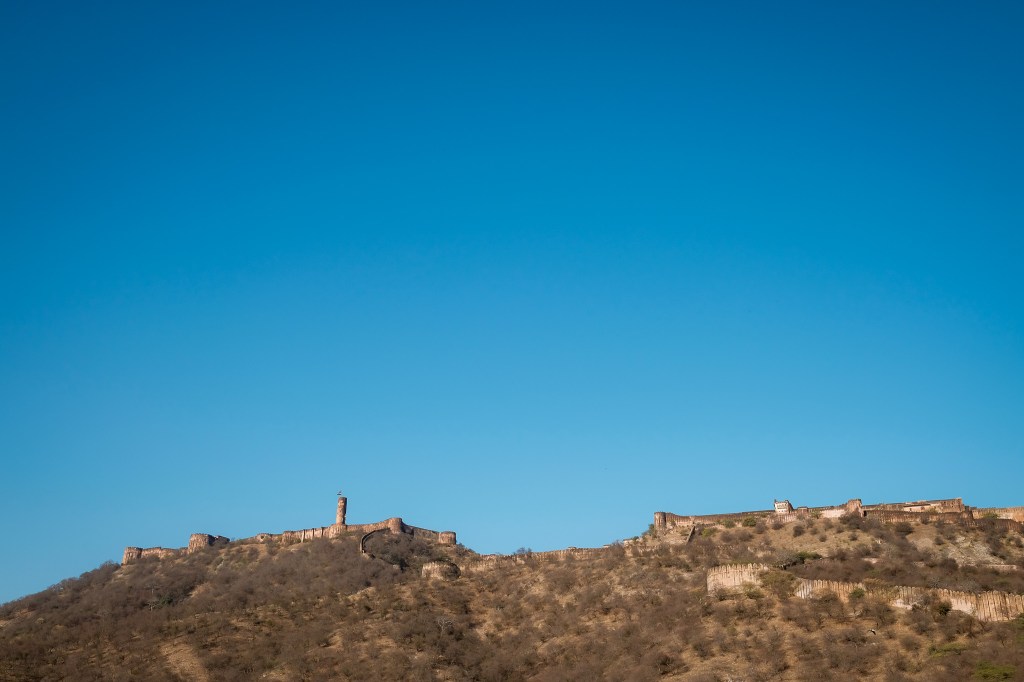
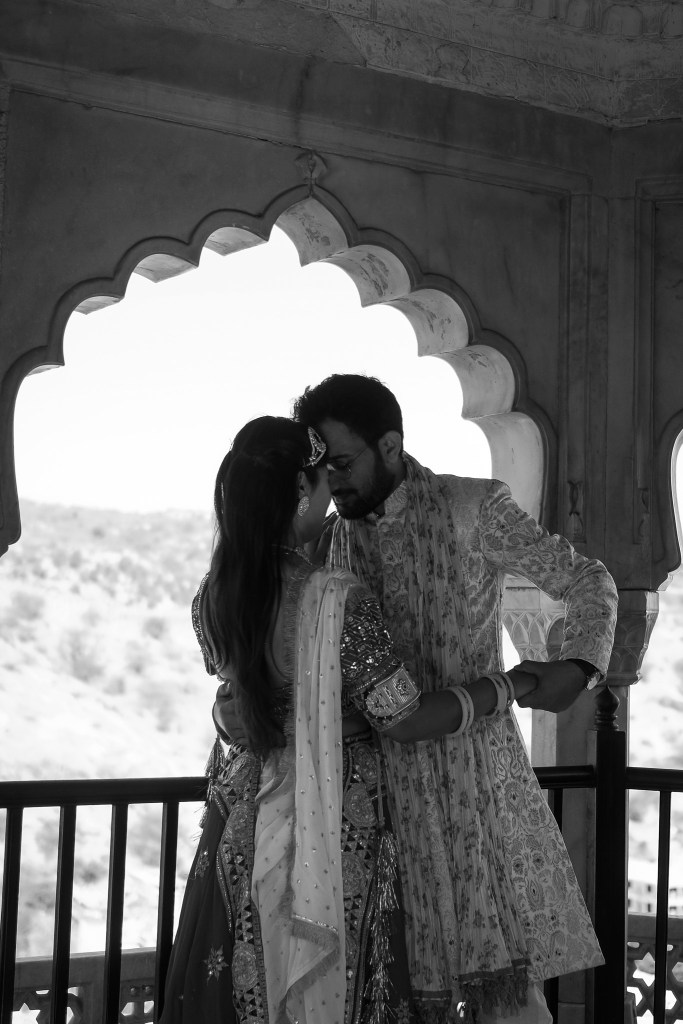
A 30 minute ride outside the city welcomed you to the Amer Fort, an aged palace of the royal family’s residence. The founder of Jaipur, Jai Singh II, moved the capital from Amer to Jaipur in 1727. This fort used to be the epicentrum of governance back in the days.
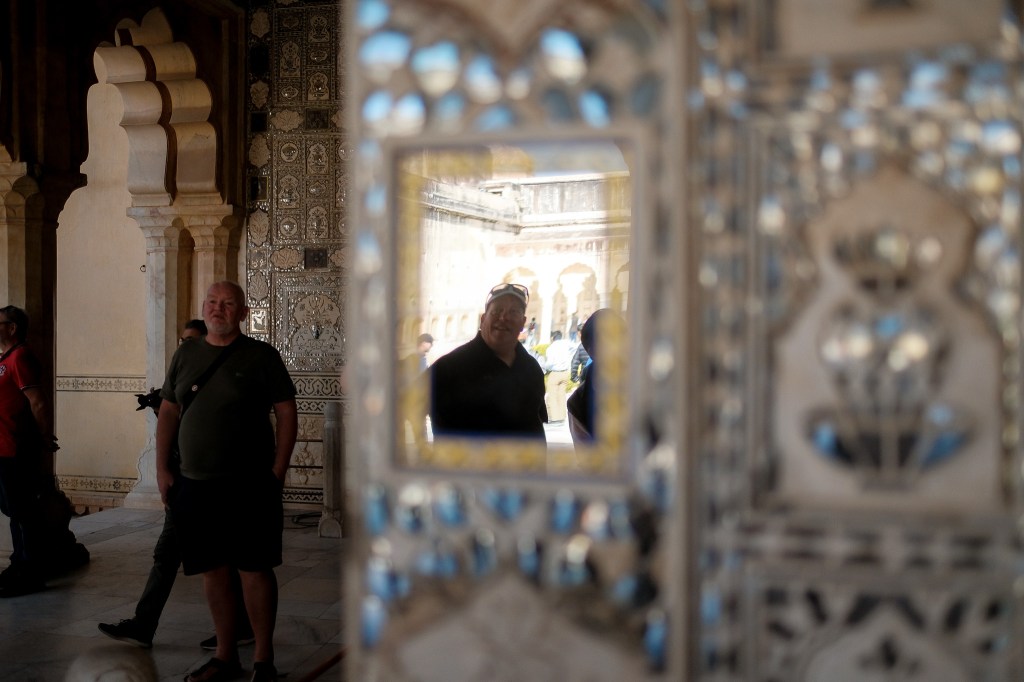
It was a vast complex with many sections of courtyards, public audience hall (Diwan-I-Am) and private hall (Diwan-I-Khas). There was a private section for the queen and beautiful mirror palace. For a hundred-years old palace, it had applied modern technology systems such as air cooling infrastructure for summer and specially-designed warming room for winter.
The whole place was gracefully maintained and there were lots of signage to tell the description of each room with a bit of historical background. So it was manageable to explore the palace by yourselves. However, I opted for having a Tour Guide with me to share the stories made it somehow more interactive. Plus, there would be someone to take care of your picture here and there – no need to look for adept tourists with good camera angle capability.
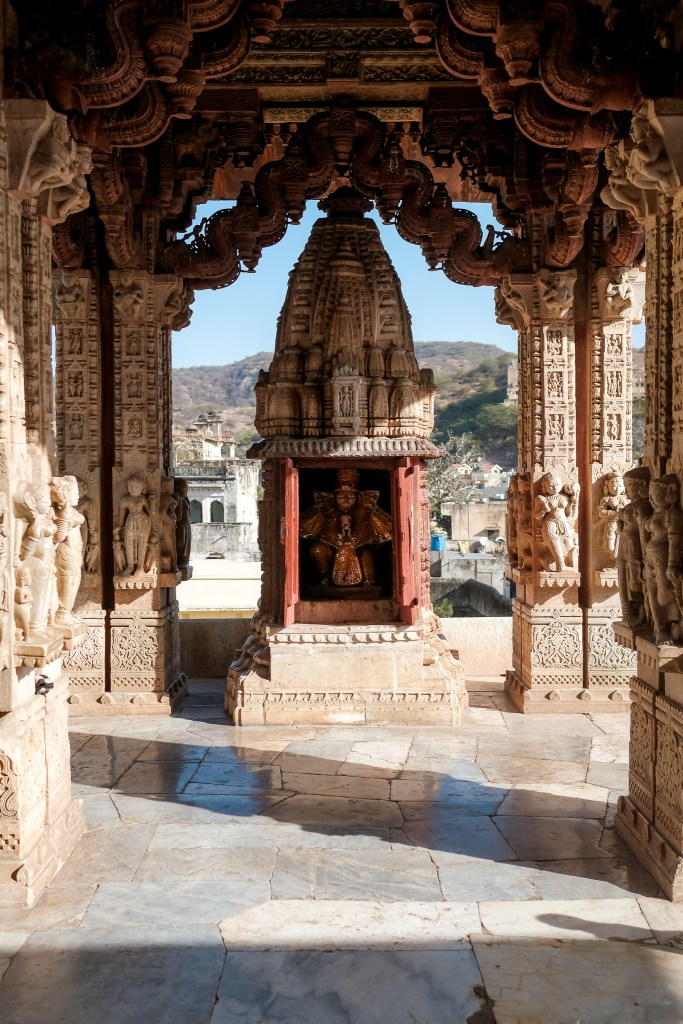
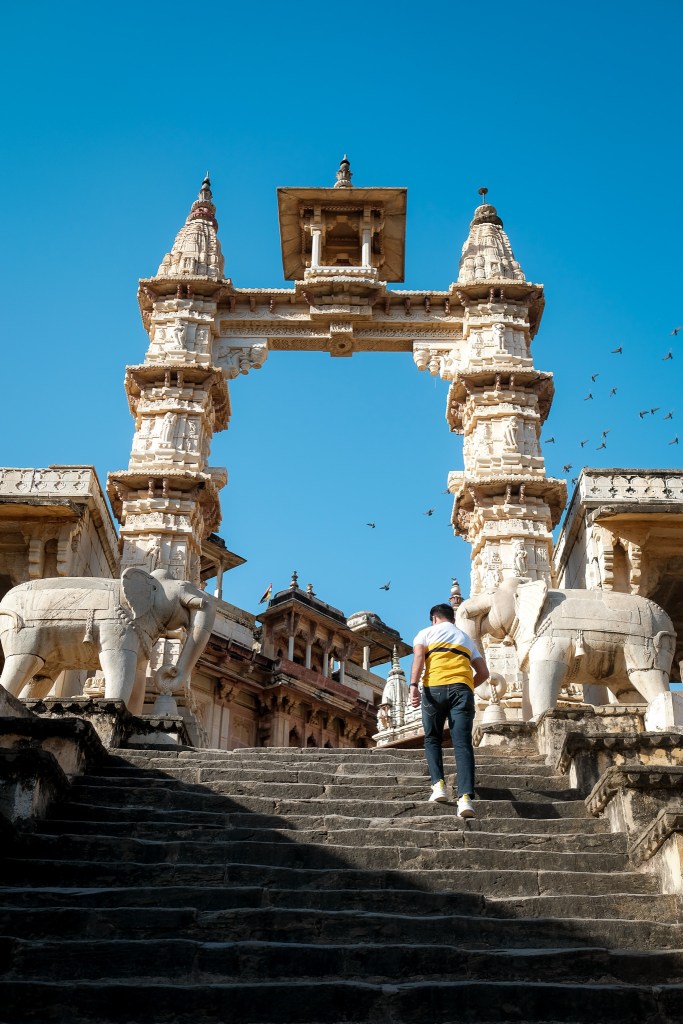
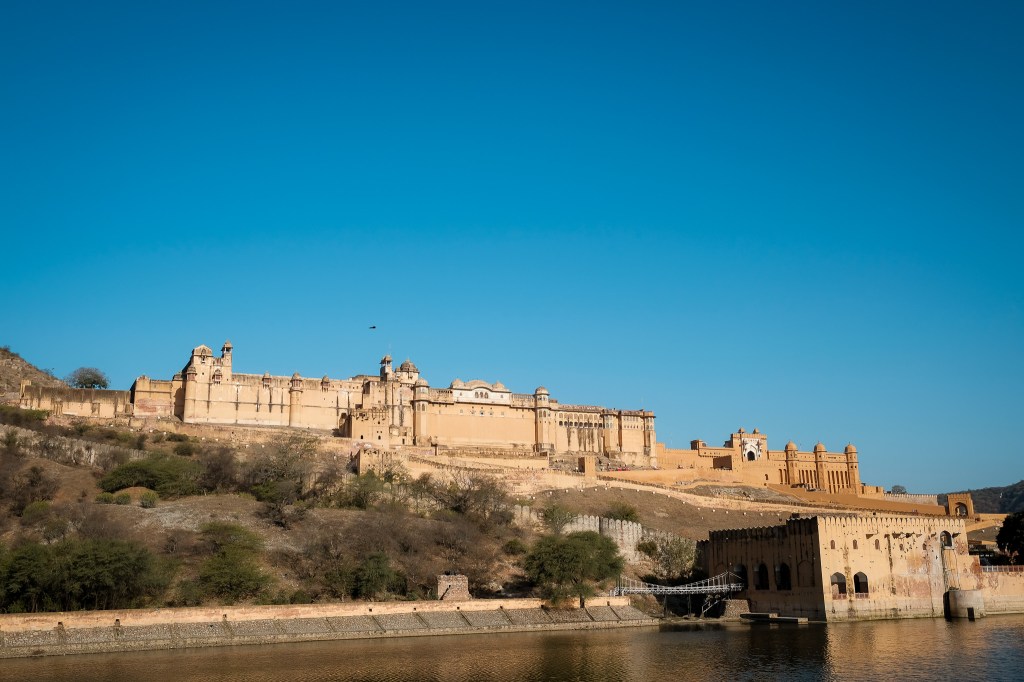
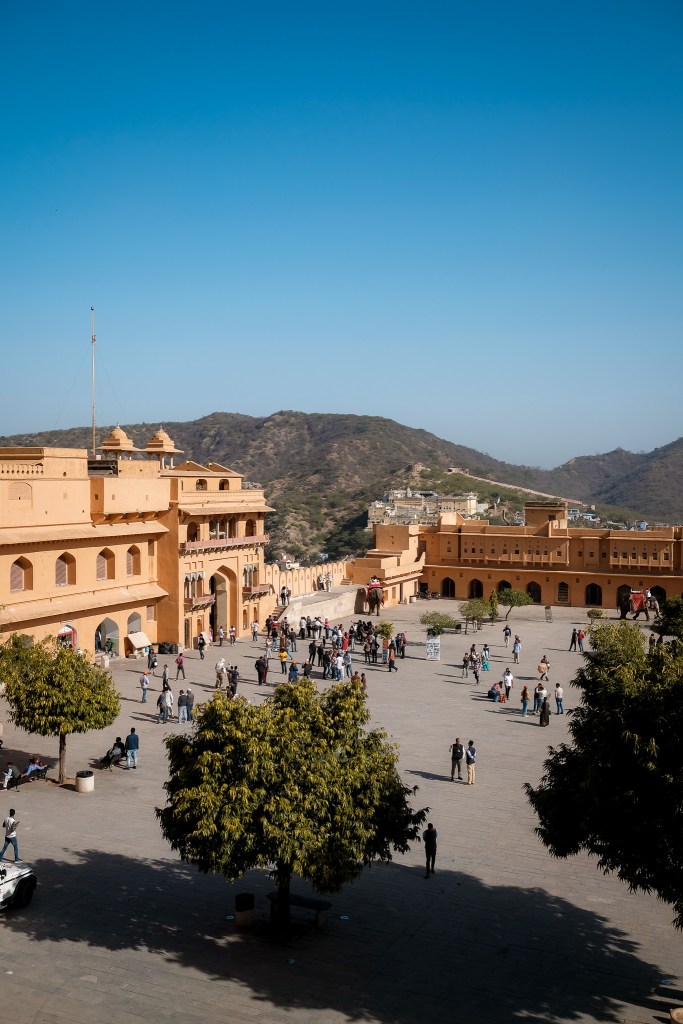

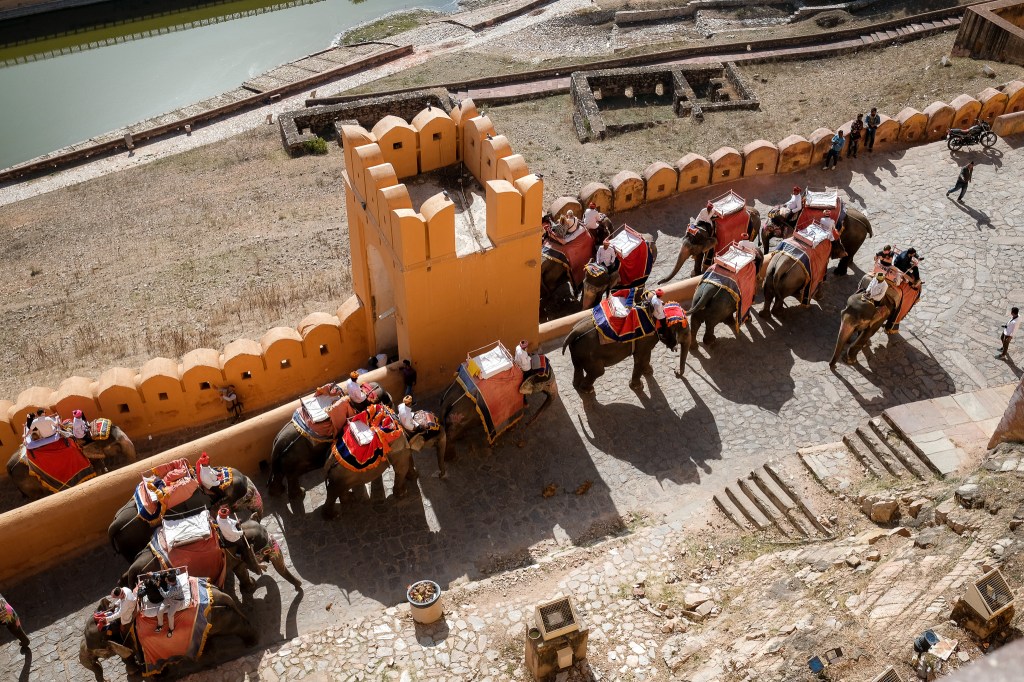

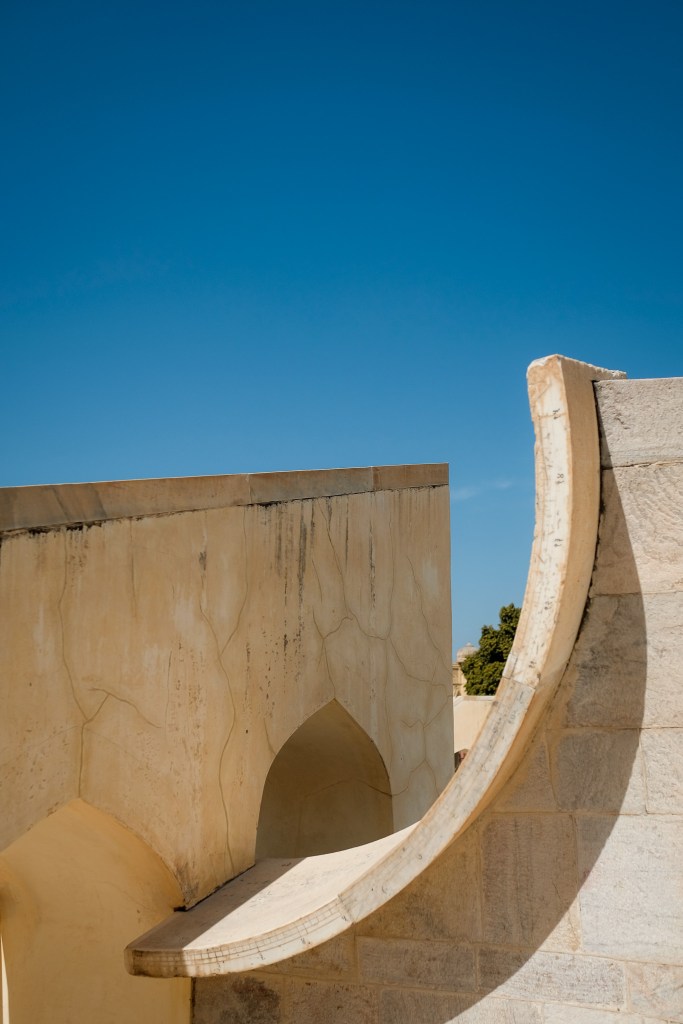
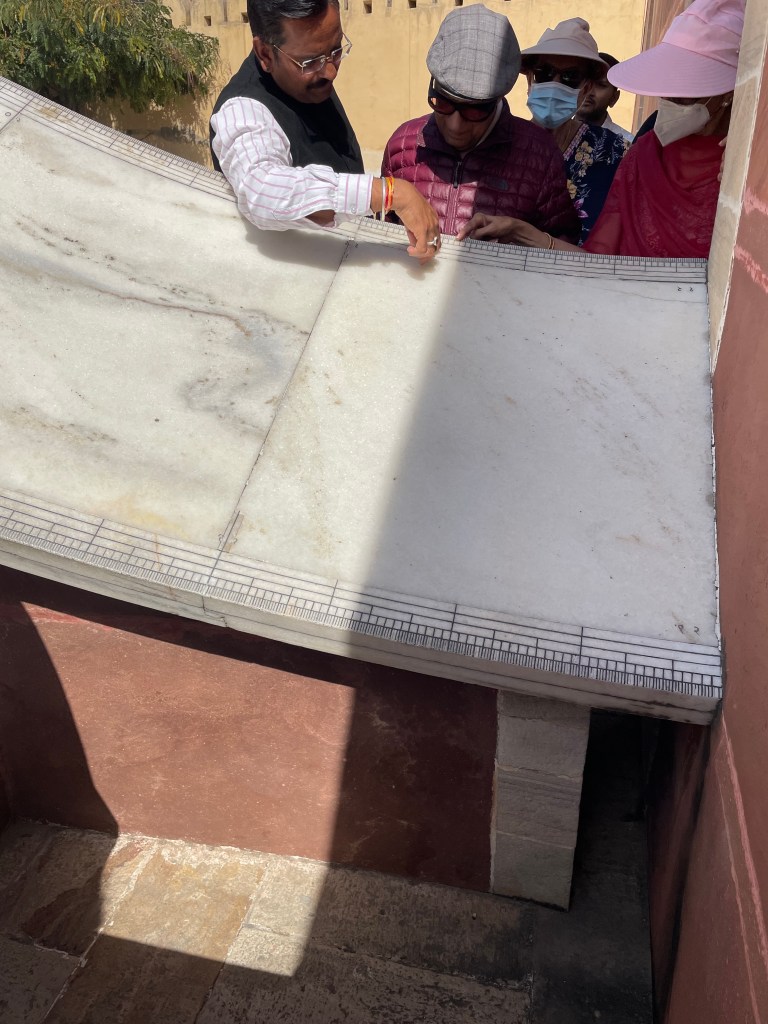
Going back to the city, my Tour Guide invited me to witness major achievements in the modern technology of Jaipur. A place called Jantar Mantar. It was a huge square that displayed many then-advanced instruments of sundials, calendars and other astronomical readings. Up to a gigantic sundial that could tell time for 10 minutes differences!
I also figured that Indians were avid followers of Zodiac readings and prophecies. There were twelve dedicated sundials to tell which zodiac sign was on this time of day.

I should’ve visited the City Palace afterwards, however knowing the price of admission which was INR 4000 or USD 50 made my intention curbed. It was pricey even for non-India standards. And my guide told me that it probably was not worth the money should you have minimal interest in palace stuff. So, let’s leverage YouTube to see what’s inside there.
Alas, I ended the day atop a cafe across the street of Hawa Mahal looking at the sun setting the elegant pink façade. The café, Tattoo Café, was highly rated in TripAdvisor as the best spot to see the façade during golden hour time. It stood five stories tall directly across the Palace. I enjoyed my first ice americano there! How I longed for that bitter coffee taste after a week in India.


Hindu culture
From Jaipur, I boarded a train to a small town called Pushkar. It’s regarded as a holy pilgrimage for Hindu as it’s a home to the only temple of Lord Brahma in the whole world. Hindus consider a journey there to be the ultimate sacred to attain salvation. It’s also forbidden to consume meat, eggs and alcohol there. It’s a holy place.
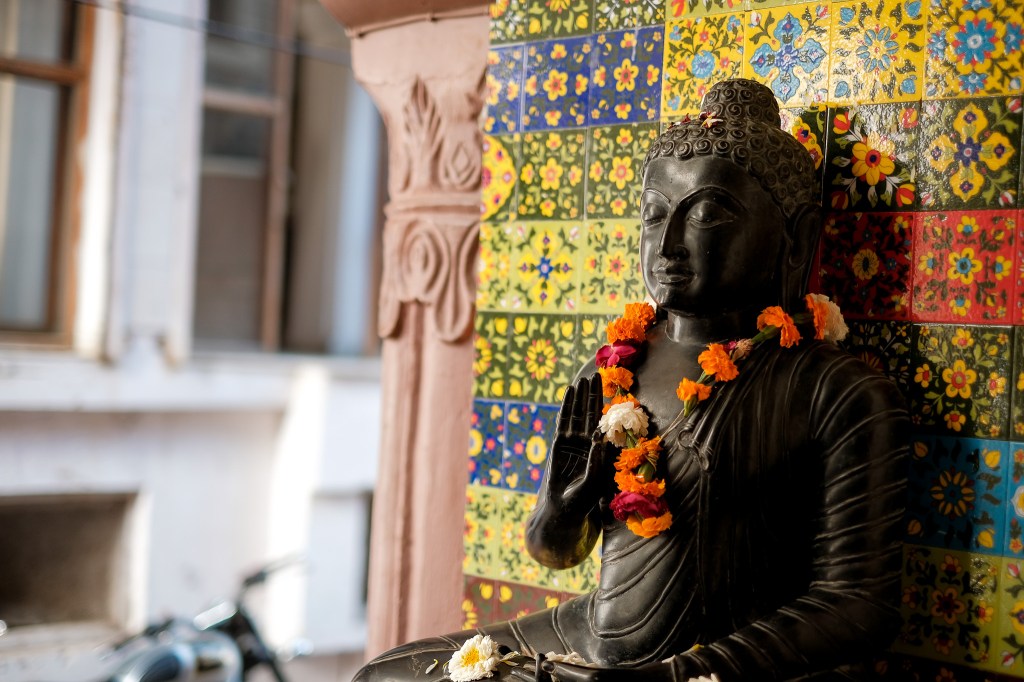
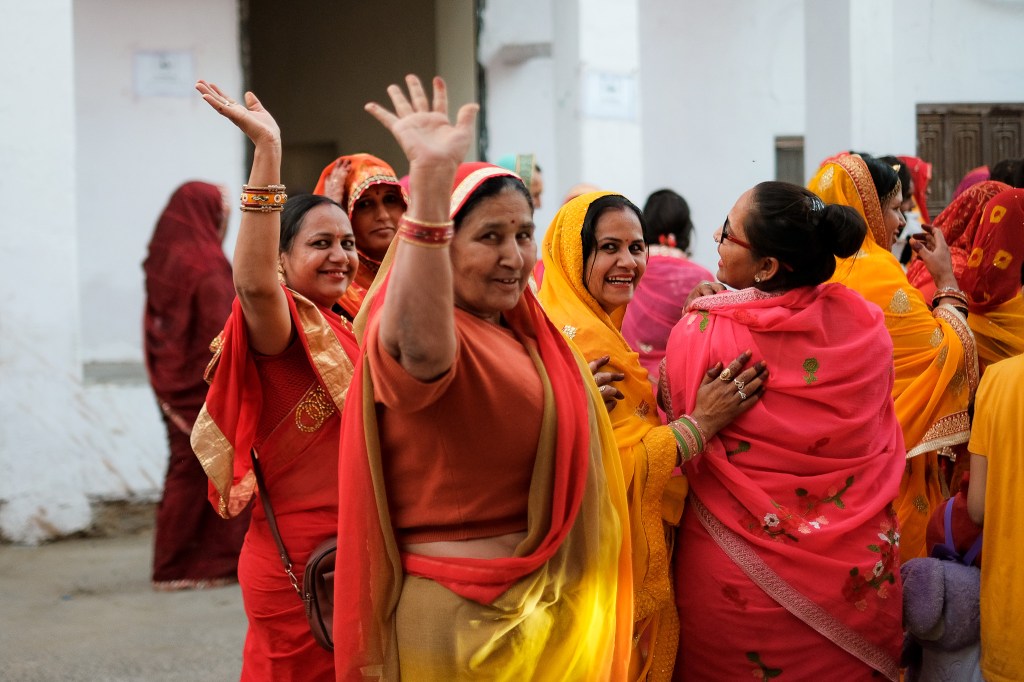

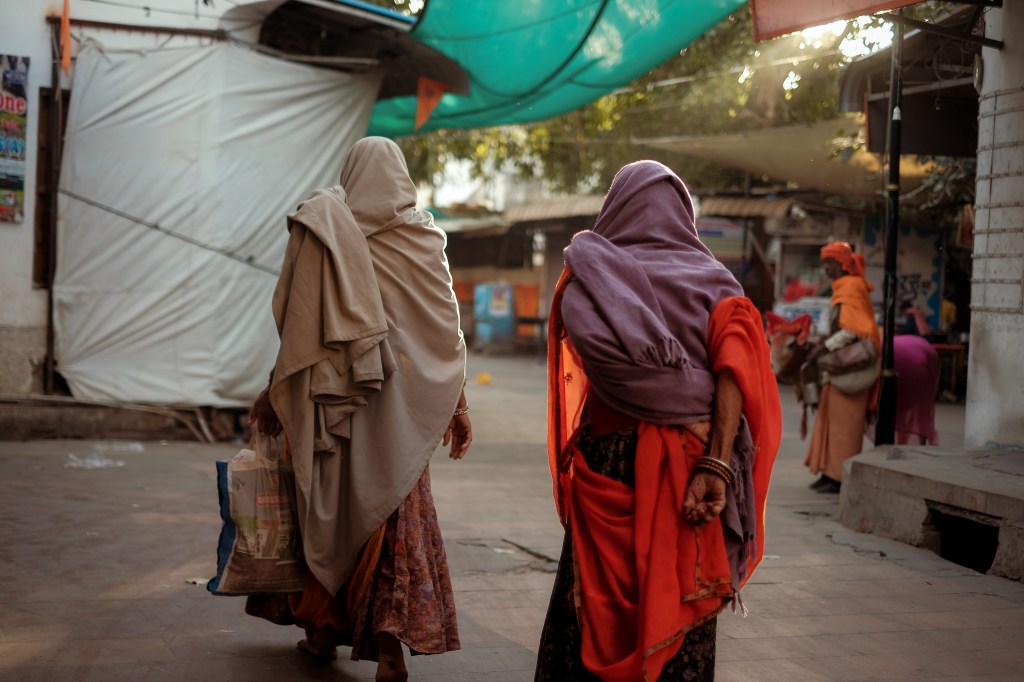
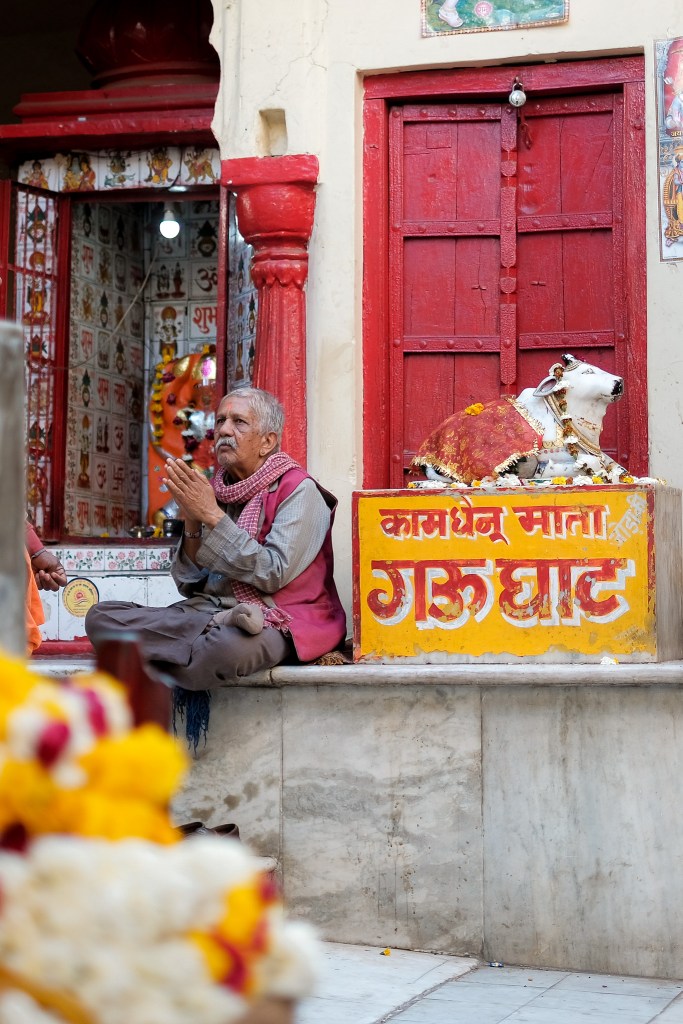


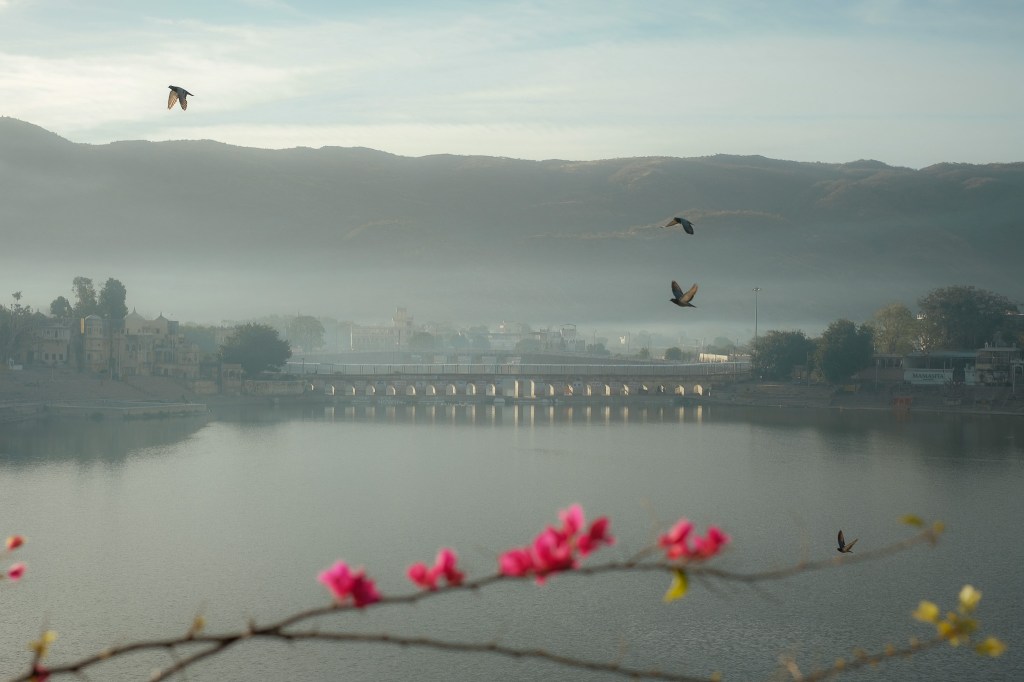
Lake Pushkar is the centre of town’s activity and main destination. It’s being used for pilgrims’ baths. I had some reservations about it being disrespectful to enter the lake area as it’s a holy place for one religion, and there was no signage in English about do’s and don’ts. From this serene picture of lake scenery from one of a café, Lake View Café, when I had my breakfast, you could feel the calmness and peacefulness of the holy sanctuary.


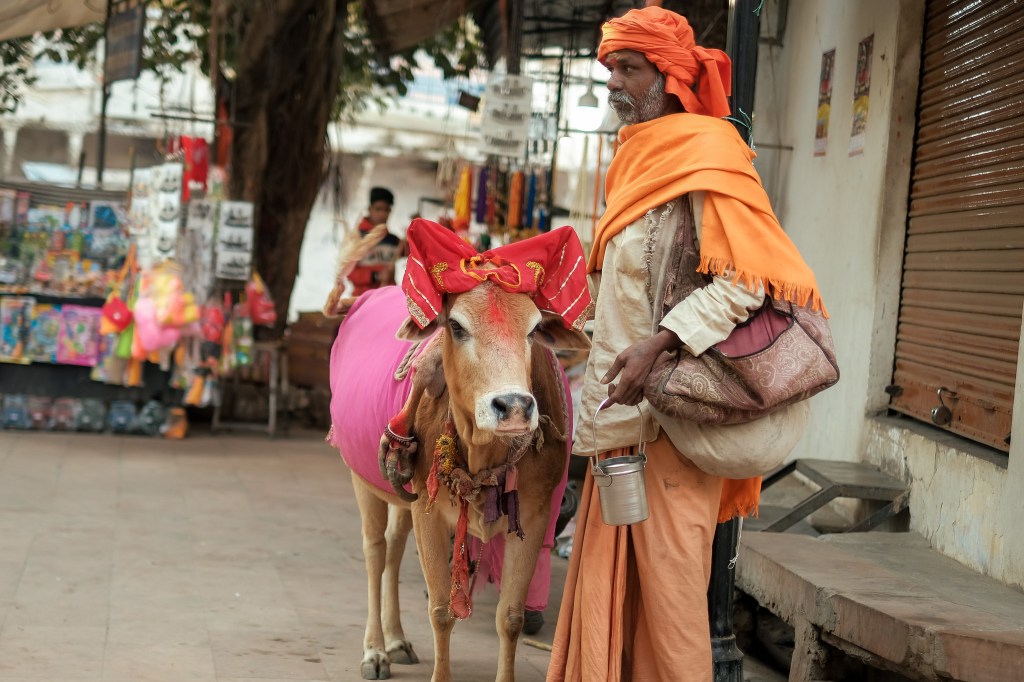
Two unique things about Pushkar are, there were lots of western foreigners swarming the place, which from the look of them, I believe, they either had converted to Hindus or had great interest in Hindu practices such as yoga and meditation. Second, the abundance of cows. These holy creatures were just everywhere. They roamed the place freely without any rope or chain or clarity whether they were actually owned by someone or just lived happily wildly there. Up to a point where those cows just walked relaxedly to one of the restaurants, as if willing to order some veggies masala.

Rajasthan, Land of Kings
To make the trip even more ambitious, I squeezed two cities that it’s normally explored for a week into two precious days, Jodhpur and Udaipur. Together with Jaipur and Jaisalmer (which I didn’t get the chance to visit), those cities were considered the gems of Rajasthan. They brought those magnificent nuances of palaces, kingdoms and royalties.
For I only had several hours to explore each of them, I managed to cross the top list. In Jodhpur you’d be awed by the Mehrangarh Fort sitting atop a hill with blue roof houses surrounding it. Jodhpur itself is called Blue City. My one-night hotel was among those sea of blue, from there I had to take a short hike to reach the Fort.
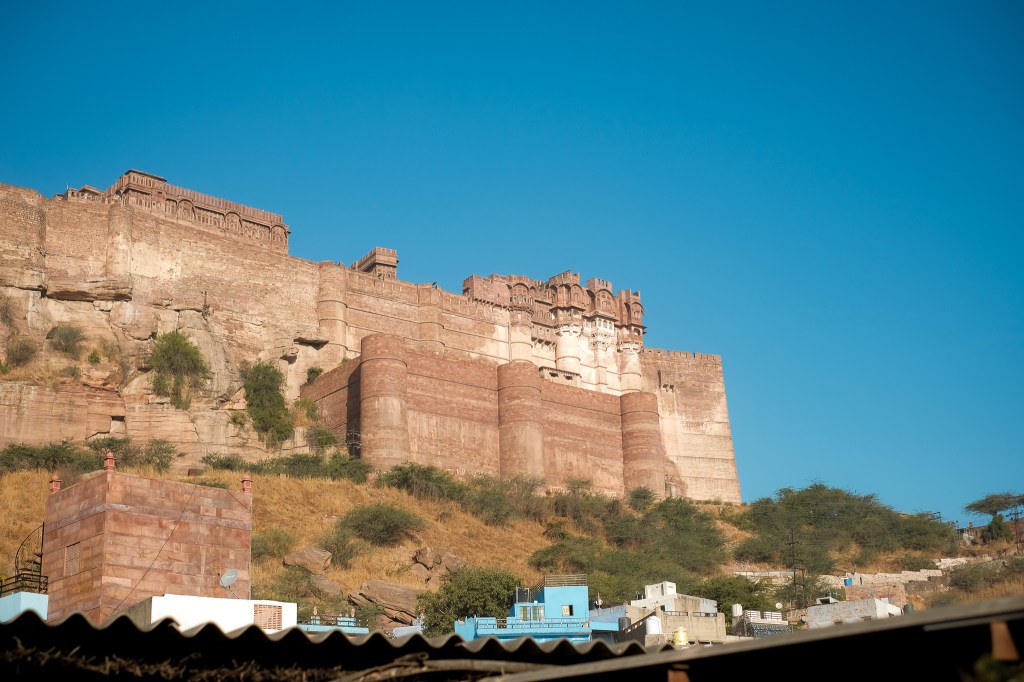
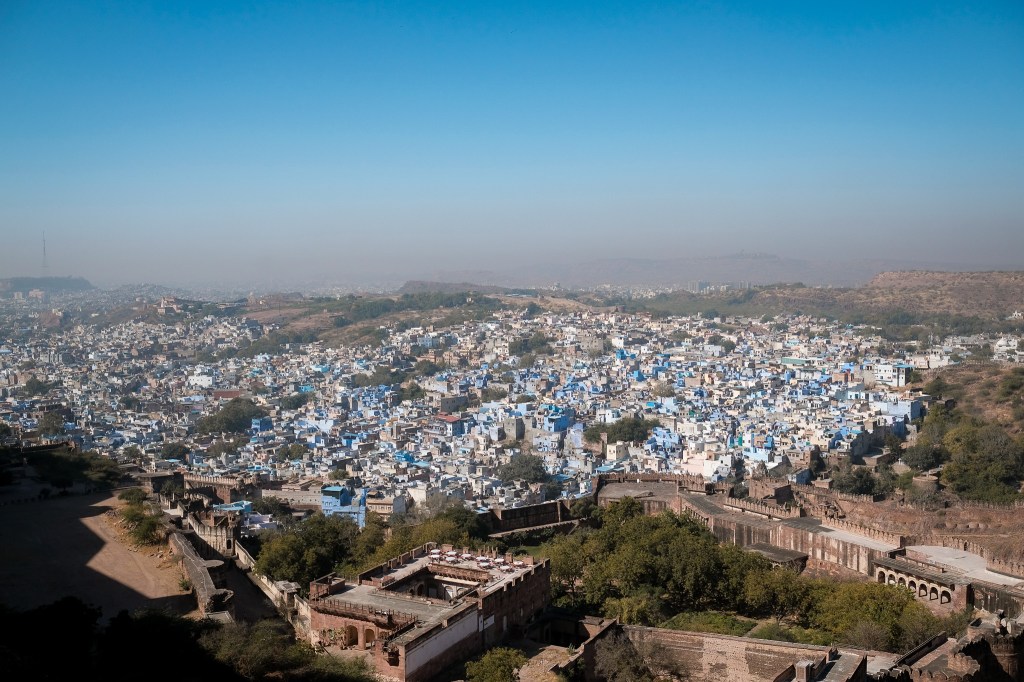
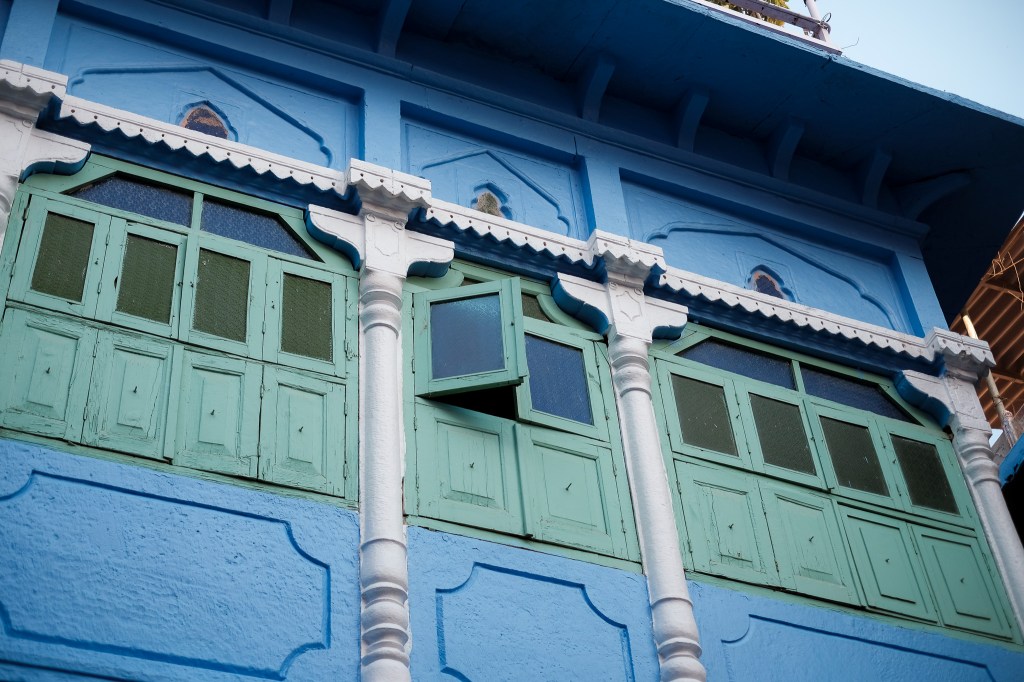
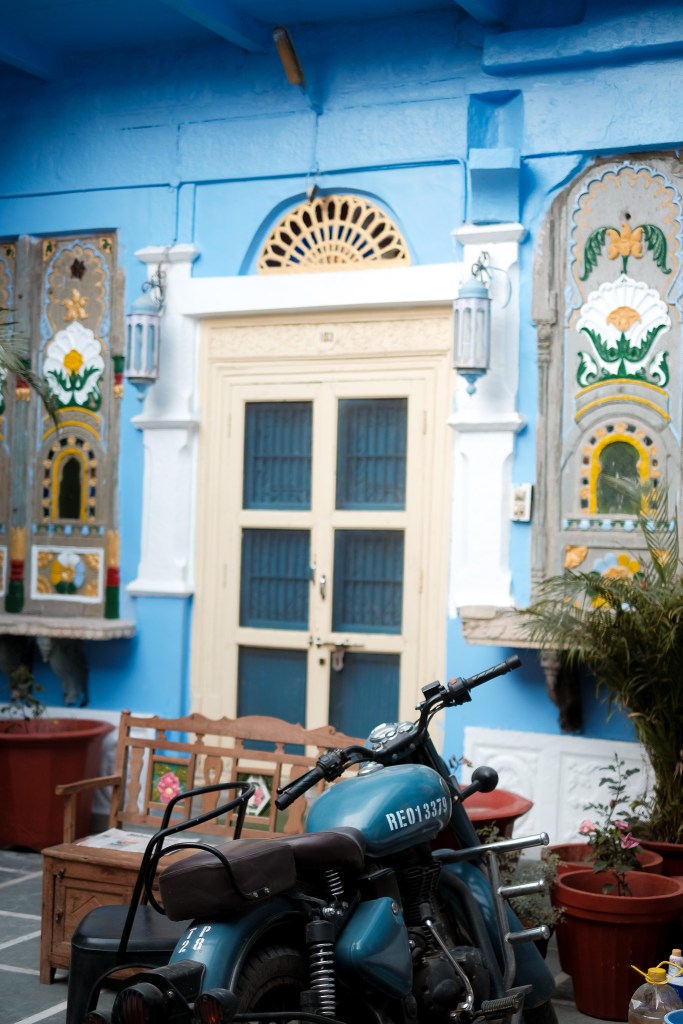

Inside it, you’d see a vast collection of vases, tapestries, paintings and many traditional crafts. The sightseeing was enjoyable as there were only a few tourists in the early morning. The direction of where you should go inside the fort was clear and it gave you a complete tour around. Looking across the horizon from the Fort, there was Umaid Bhawan Palace.
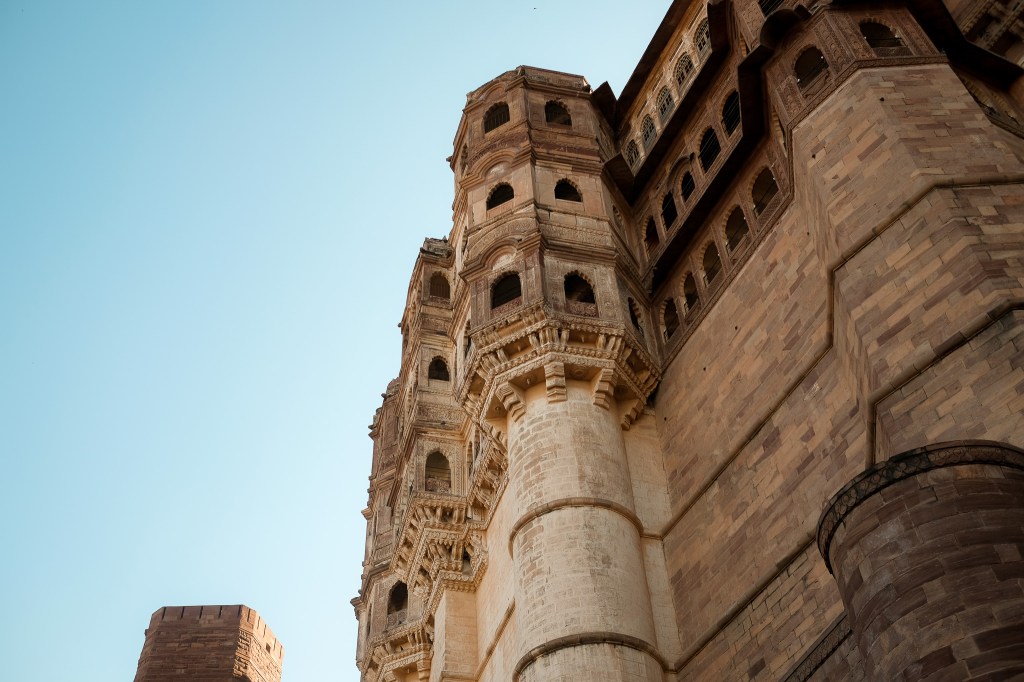

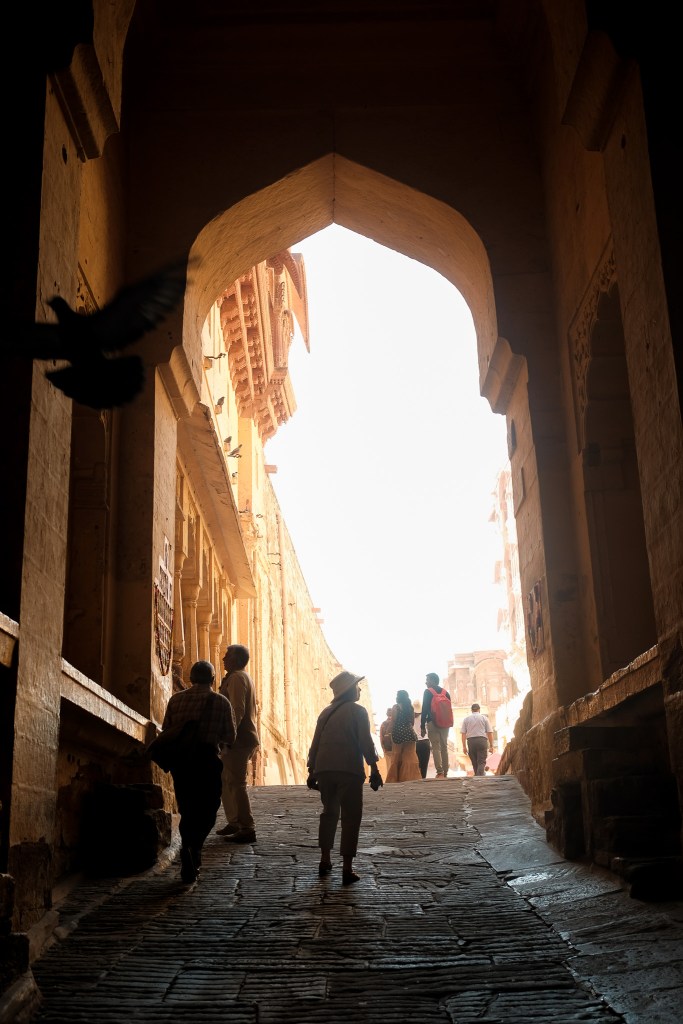




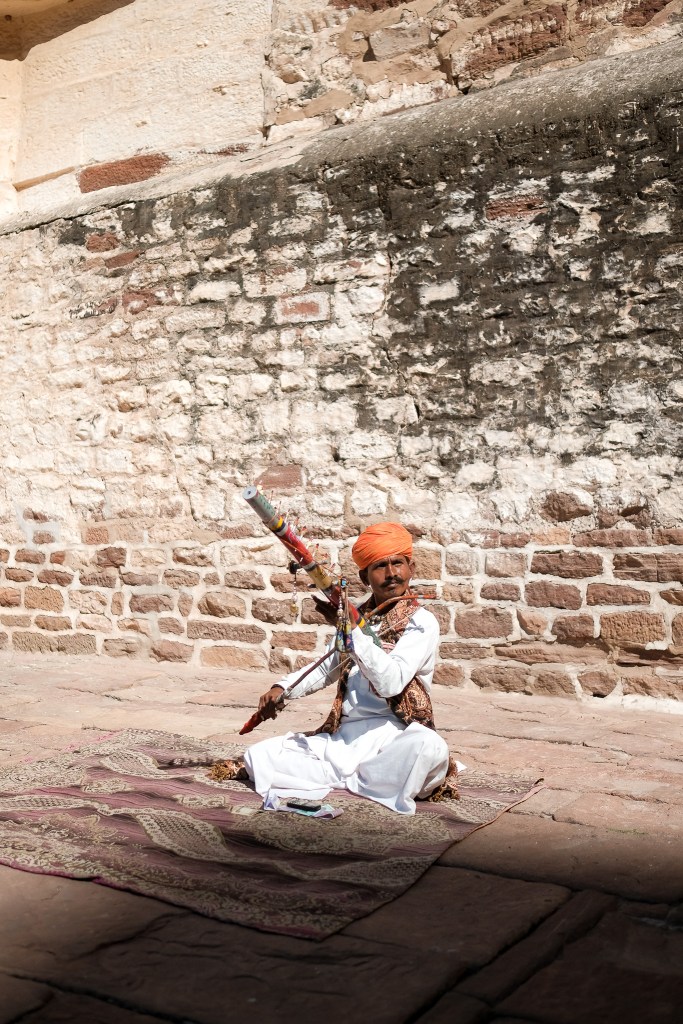
It was the youngest palace in India where it’s crowned as the largest private residence in the world. From Mehrangarh Fort, it formed a tiny dome with four towers surrounding it, as it took around 30 minutes by car to reach the Palace. Nearly seventy five percent of the place was a hotel managed by Taj Group, the rest was the private residence of the Jodhpur royal (royal guards were everywhere). The museum where I visited probably only about five percent of it, it didn’t justify the architectural greatness.


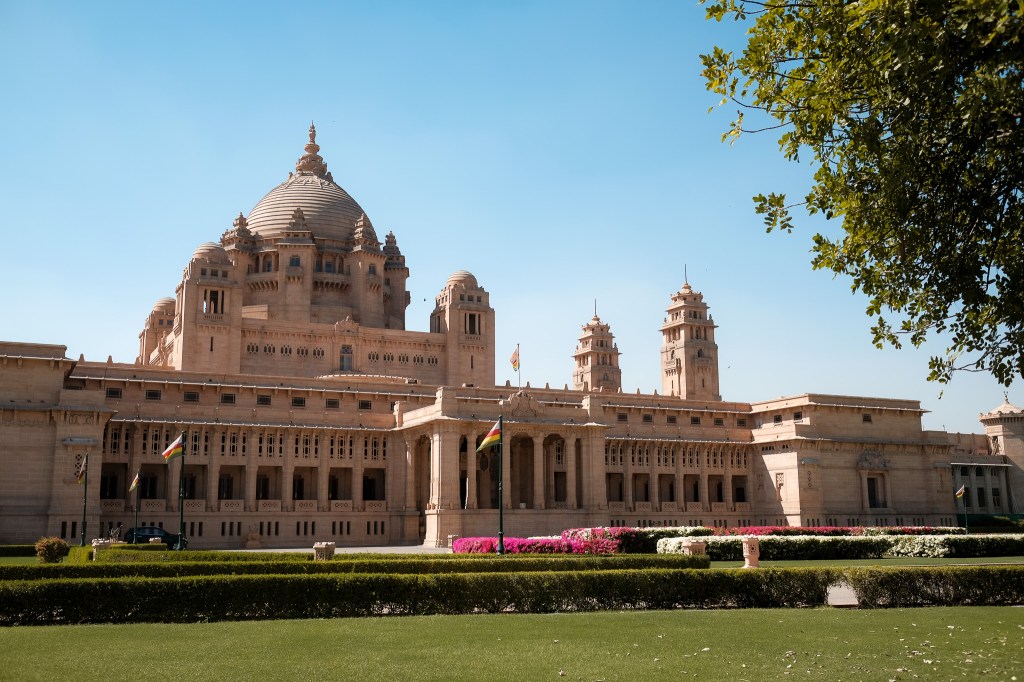
From Jodhpur, I travelled south by 6-hour bus to Udaipur, my last stop before flying back to Delhi then to Jakarta. It was an afternoon ride. I arrived at the bus stop in Udaipur at 12 a.m. – you couldn’t imagine how worrying it was to find a tuktuk at that time. I ended up not bargaining at any price which from the customary way of renting one was to haggle. That left me just about fourteen hours to explore the city (minus sleeping time at best only 5 hours), as I had to go to the airport the next day at least by 2 p.m.


City Palace was the only place I visited in Udaipur. It was a regret for not being able to explore the other places, but this Palace was no joke! Udaipur was also called the City of Lakes and this City Palace was the perfect reason for it. Considered as the second largest palace in India, it sat gracefully overlooking the serene Lake Pichola. Its construction began in the 16th century and over the next 400 years the palace kept improving and expanding with contributions from many rulers in the Mewar Dynasty. I found the palace complex of endless layers of rooms, courtyard and alleyways – a typical flamboyant palace style in Rajasthan.

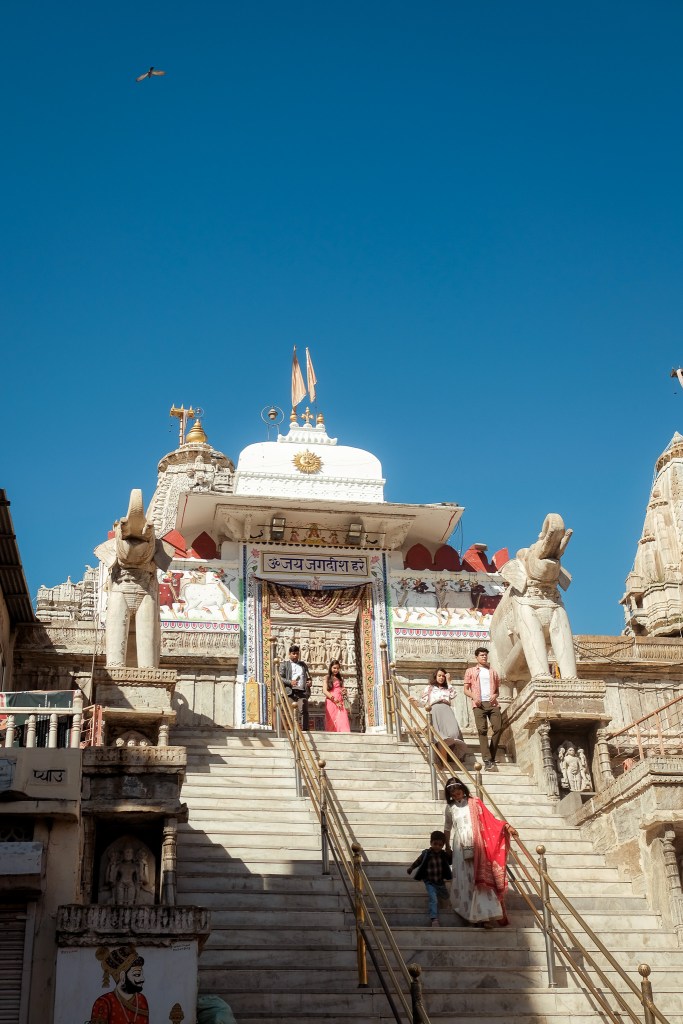
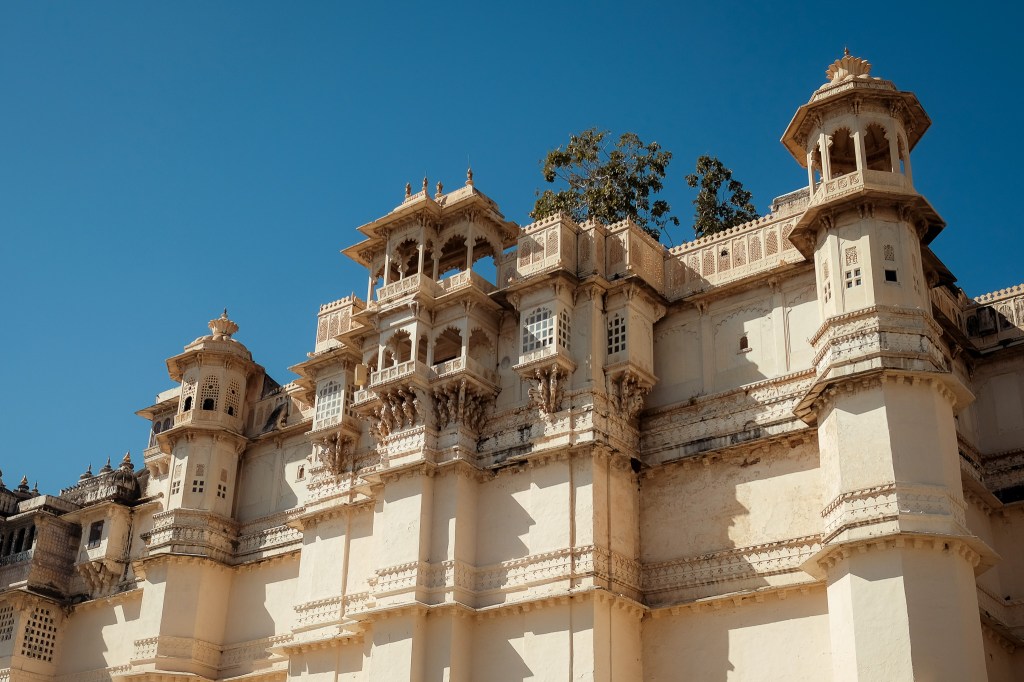
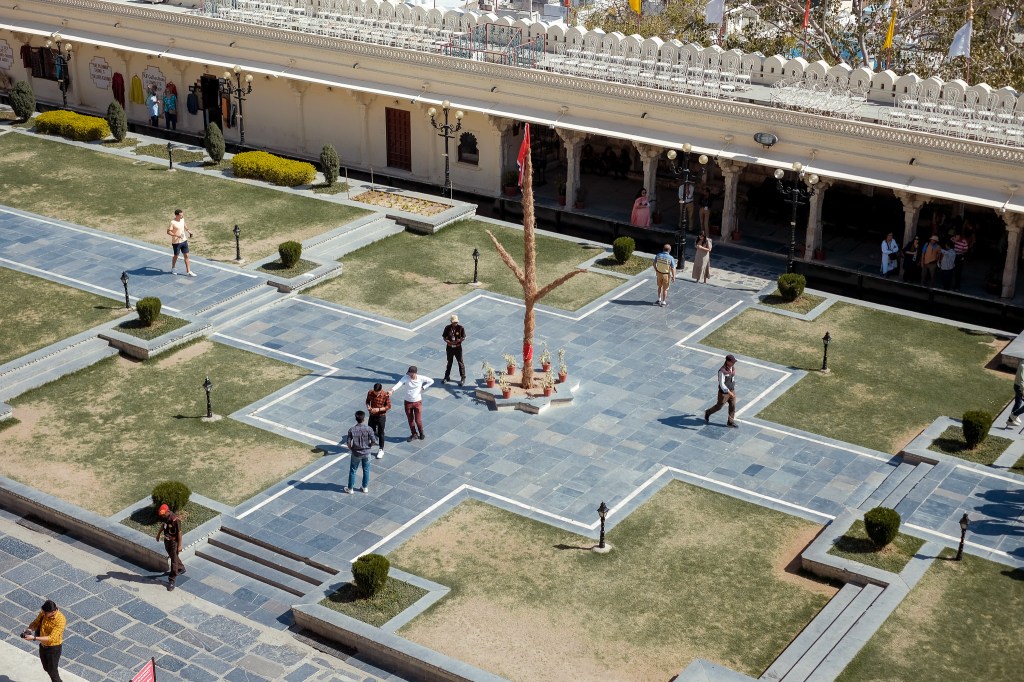

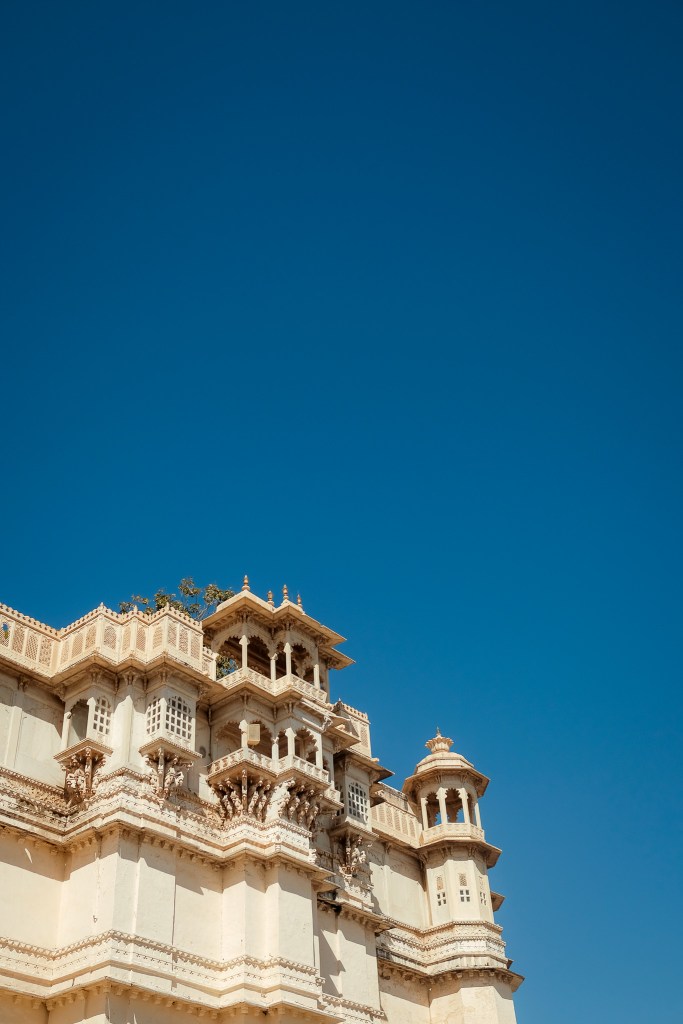
Information about City Palace was obtained from dozens of description boards put along the area. I didn’t hire any tour guide on my last day there, so all knowledge about this place was discovered by traditional means: reading. Having the tour to myself gave me some sense of freedom to fully explore and immerse myself with the place. There was no sense of guilt if I’d like to hang around for a bit longer waiting for the perfect time to capture pictures. Though, I wouldn’t say that one way was better than the other as it came with its own drawback, ie. all photos are in the form of a selfie.

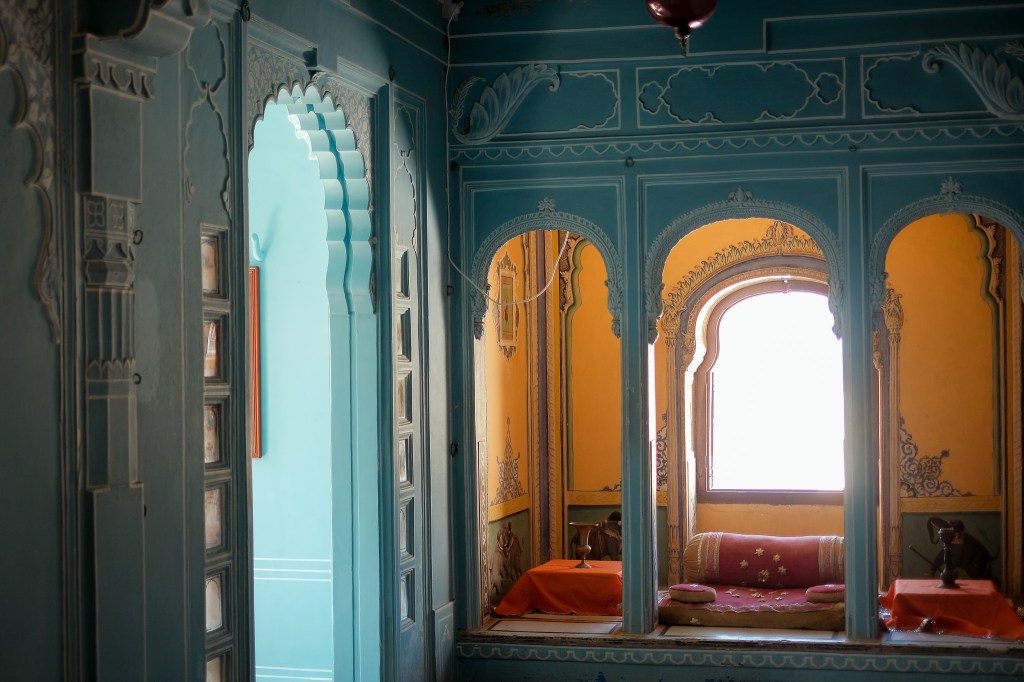
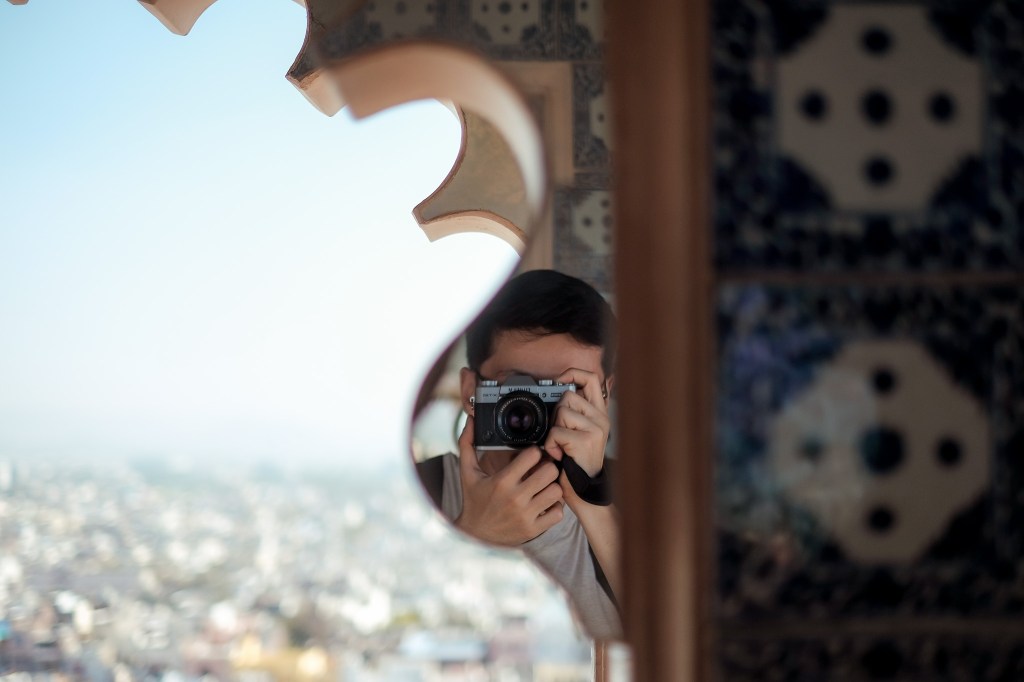

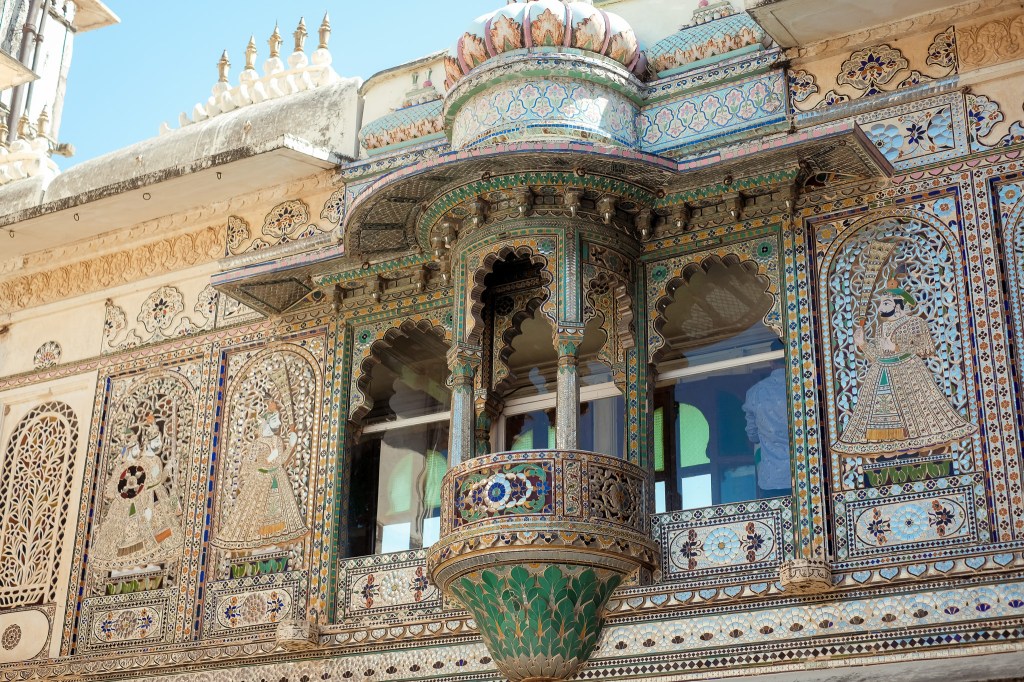
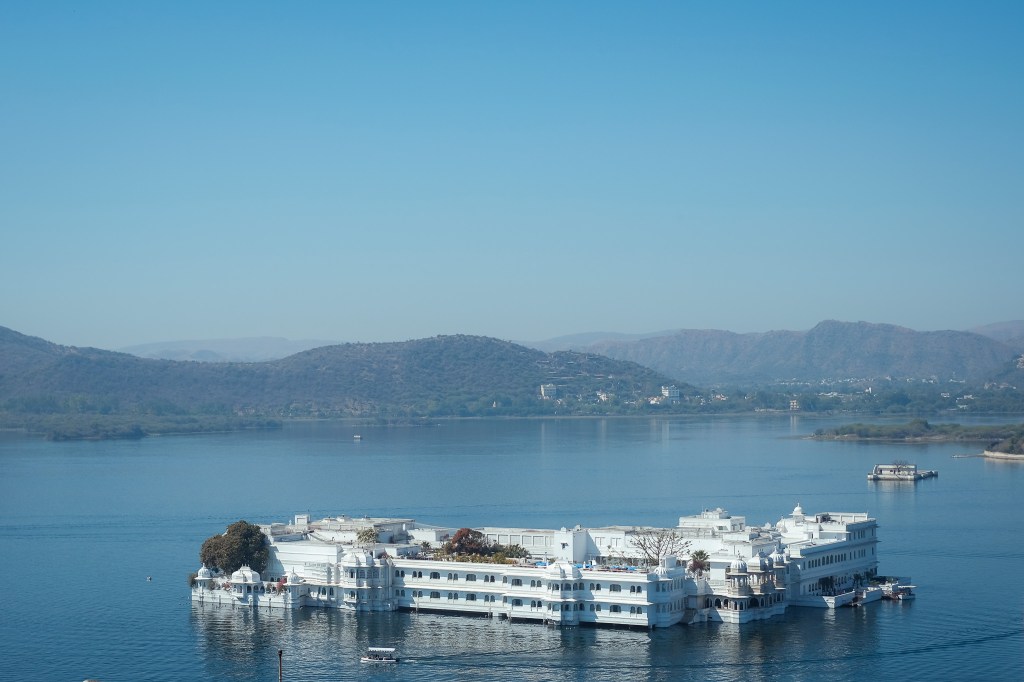
Floating in the middle of Lake Pichola, Taj Lake Palace was hard to miss. It used to be the summer retreat house for the royal family before in the 1960s it was converted into a heritage hotel. Taj Group now maintains this beautiful 5-star hotel jewel. Imagine waking up with the view of a lake and a hundreds-year old palace. A view you’d only find in Udaipur.
Food
Love them! If you were like me, who loved Indian food, you’d easily be swayed by how many authentic ones you’d find there.
First and foremost, I didn’t try the all notorious barehanded street food with those vibrant fake food colouring (even my tour guide was strongly against them, as an Indian he never bought it from there as well). I often looked up some local delicacies recommendations and found them super delicious. In Agra, I paid a visit to the famous 5-star rating TripAdvisor, called Joney, that had the best banana lassi! Their garlic naan and chicken mughlai were out of this world too.
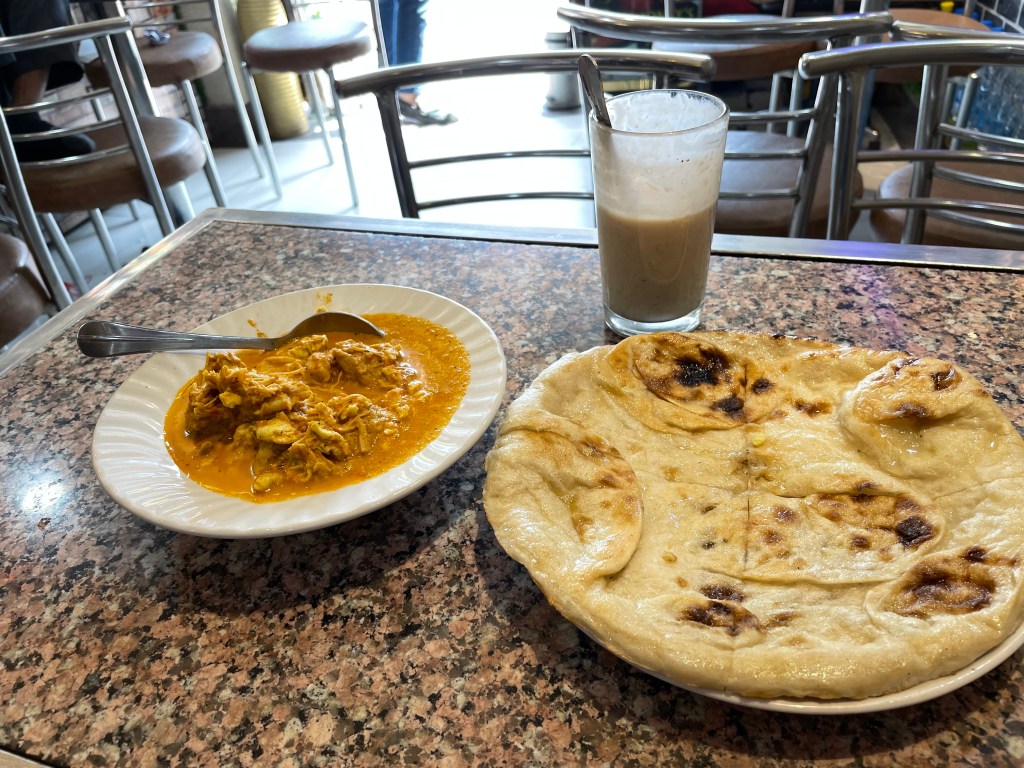
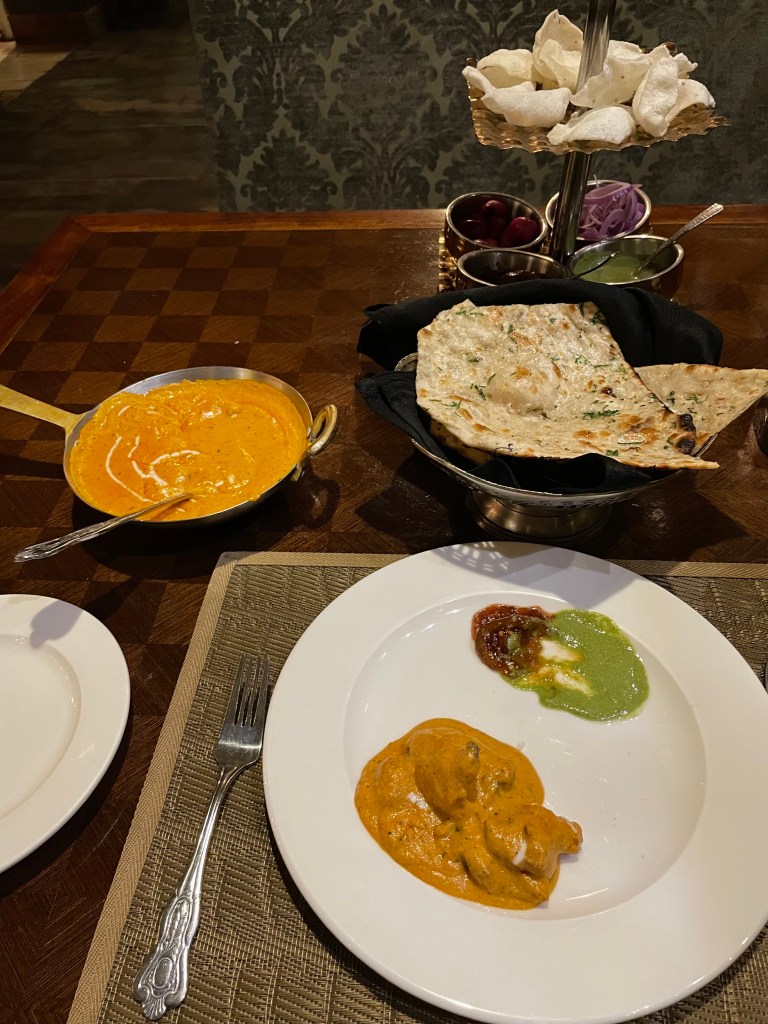
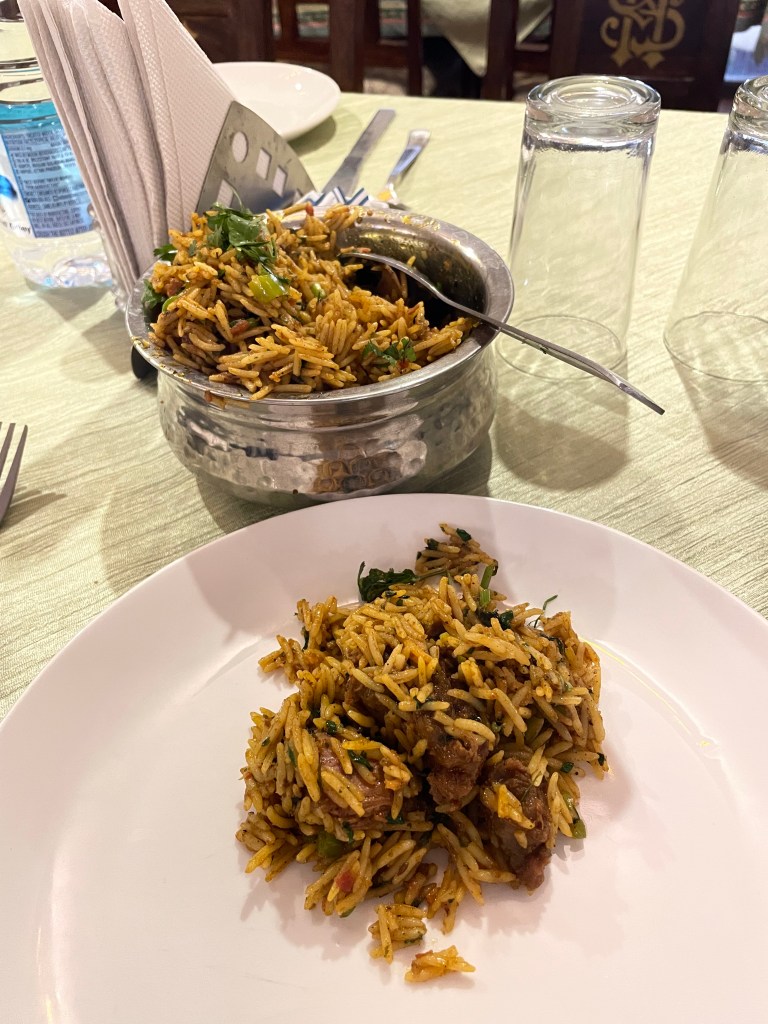

Some of my hotels also offered breakfast packages which was quite unique to me to eat curry and those heavy gravy from early in the morning. If you were a vegetarian, you’d be totally safe and would feel that the whole India was your kitchen back home. Whenever you ordered something, the first question that they’d ask was: veggie or non-veggie. At my hotel in Jaipur, Arya Niwas, their specialty was in vegetarian food, there was a wide array of selection for you to pick.
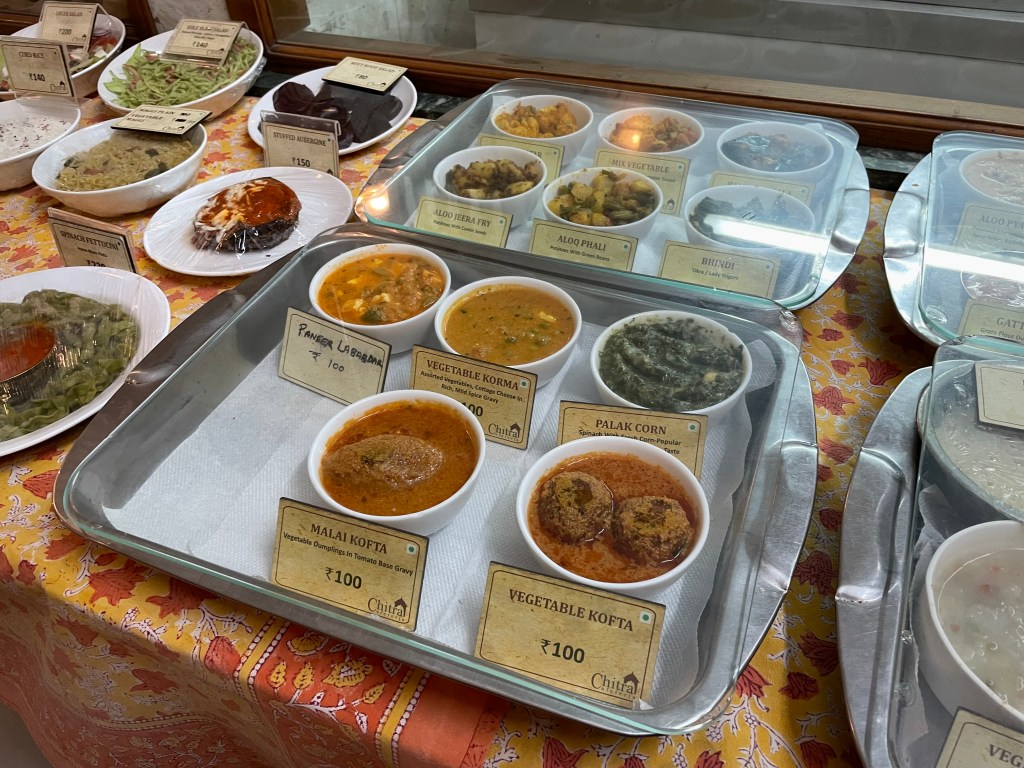

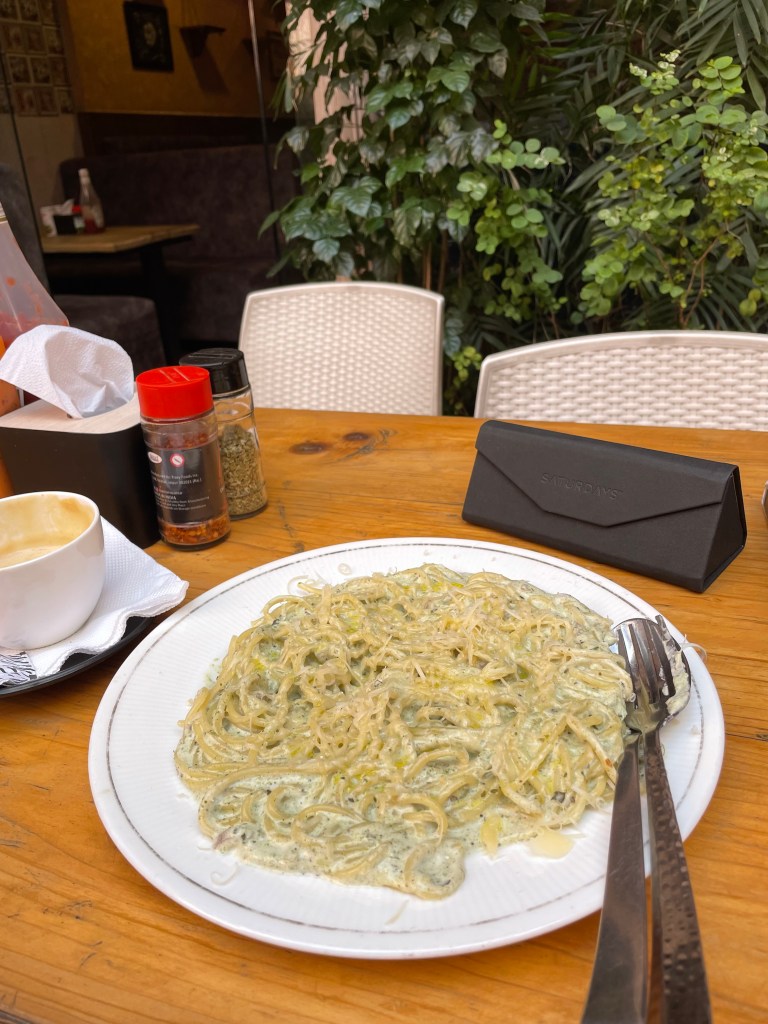
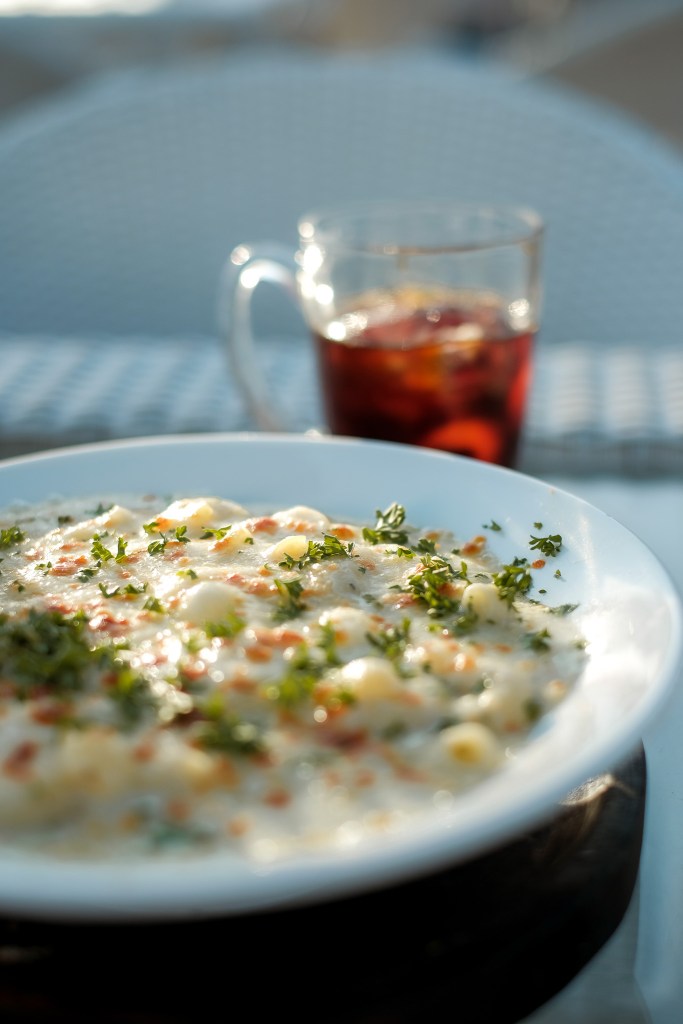
If you got enough of curry dishes, somehow, Indian cooking-slash-version of Italian food was also good. Their cheese and pasta were par to the original Italian cooks, plus they were cheaper as well!

Continue to Part 2

 Journey on Journal